
#BeMoreMary
Why Mary Beard Matters in The Fight for Her-Story

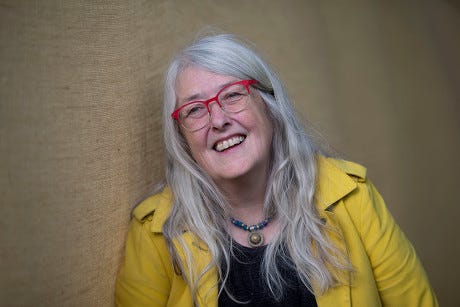
Although most of you know me as someone with a fascination with the Viking Age, I am still deeply intrigued by other ancient civilisations, such as the Greeks and Romans, and I am a huge fan of Mary Beard. When I read this week on social media, yet another attack on Mary, I knew it was the right time to write this article.
My introduction to Mary happened through the TV screen, when I avidly watched the BBC series ‘Meet The Romans’. I was completely hooked by how modern and familiar Beard made this ancient city feel.
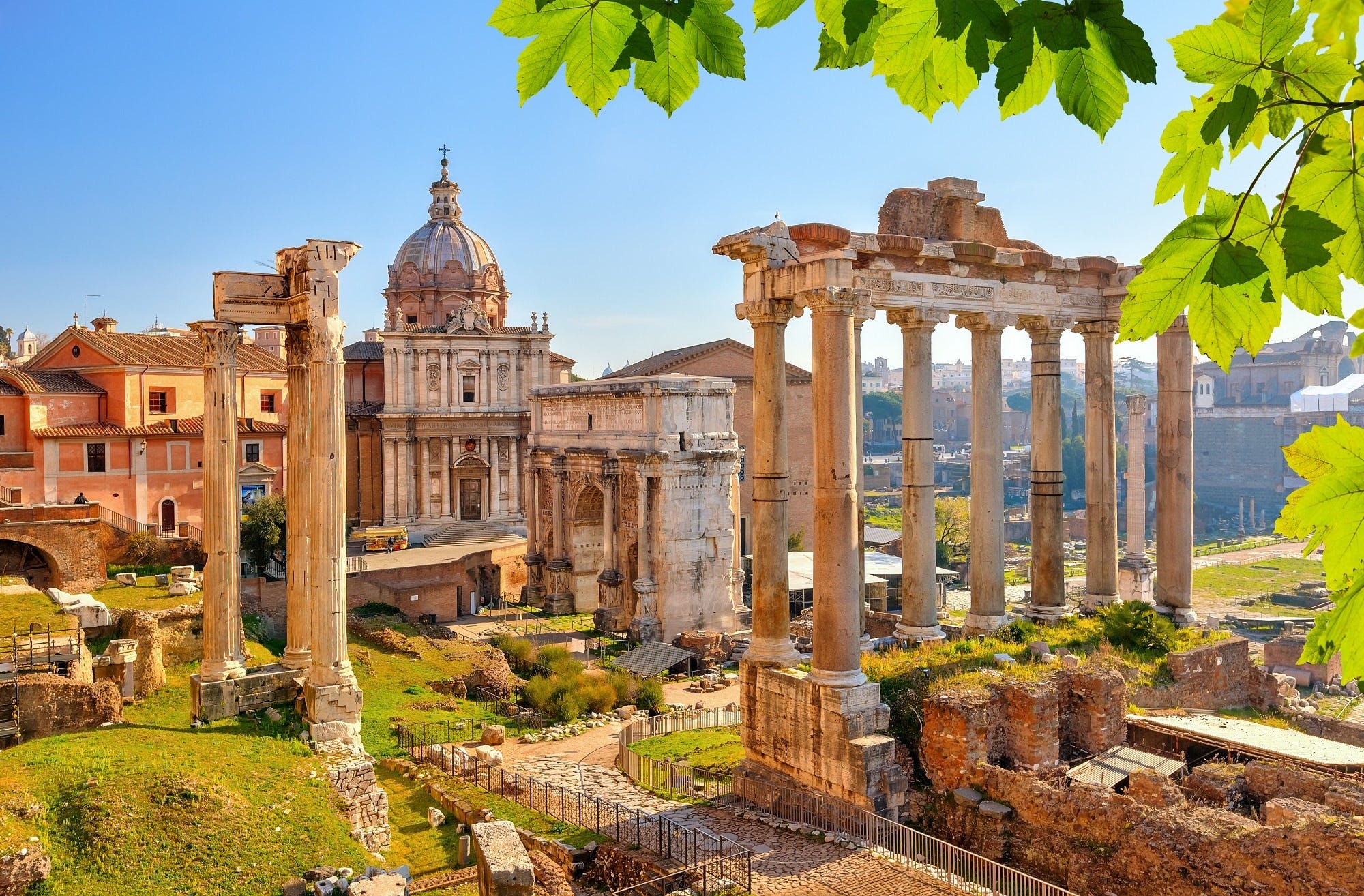
Bypassing the well-documented and overly dramatized elite emperors, Beard instead presented a vibrant metropolis, full of every day people, much like you or I. Seeing Rome as a diverse and multicultural hub, much like modern London, brought this classical world alive to me in an entirely new way that I had not anticipated.
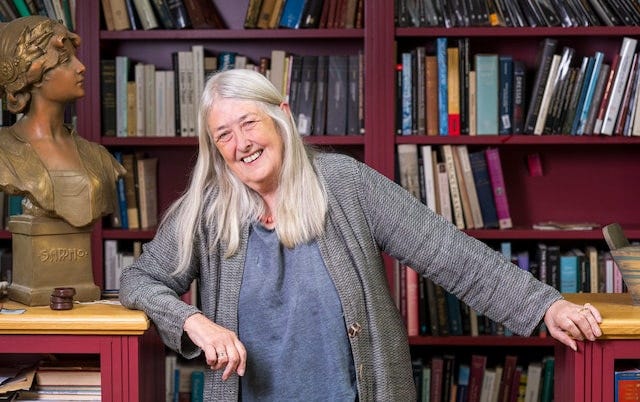
What I love most about Beard is that she brings a true authenticity to presenting. She is exactly herself, as you would likely find her if you met her in the supermarket. Beard in this respect, has broken the hidden rule that: a) women in the media must be young b) they must be glamorous ie, with lots of make up, definitely not grey haired and had some sort of plastic surgery and c) wear designer clothing. You have seen how this defiance has made traditional critics deeply uncomfortable, leading to cruel public remarks and aggressive online trolling. Yet, instead of letting this vitriol silence her, Beard instead, uses it as fuel. I have found it immensely inspiring to see how she engaged with trolls and treated this abuse as lived evidence for her academic theories.
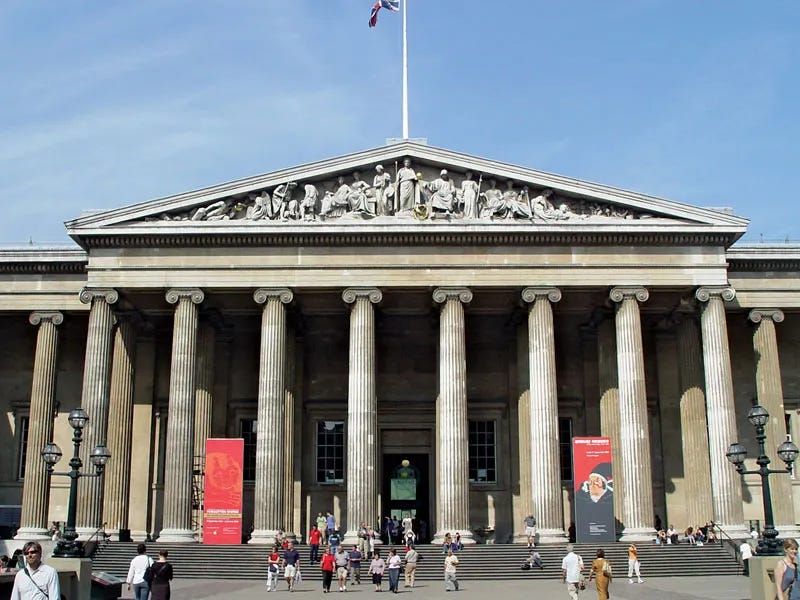
The institutional pushback she faced went far beyond the digital realm and into the heart of the establishment when Downing Street even attempted to block Beard from becoming a trustee of the British Museum due to her outspoken and pro-European views. This was clearly a blatant attempt to silence an authoritative female scholar for refusing to keep quiet. Undeterred, the museum bypassed this government veto and appointed her anyway, proving that Beard is a force to be reckoned with.
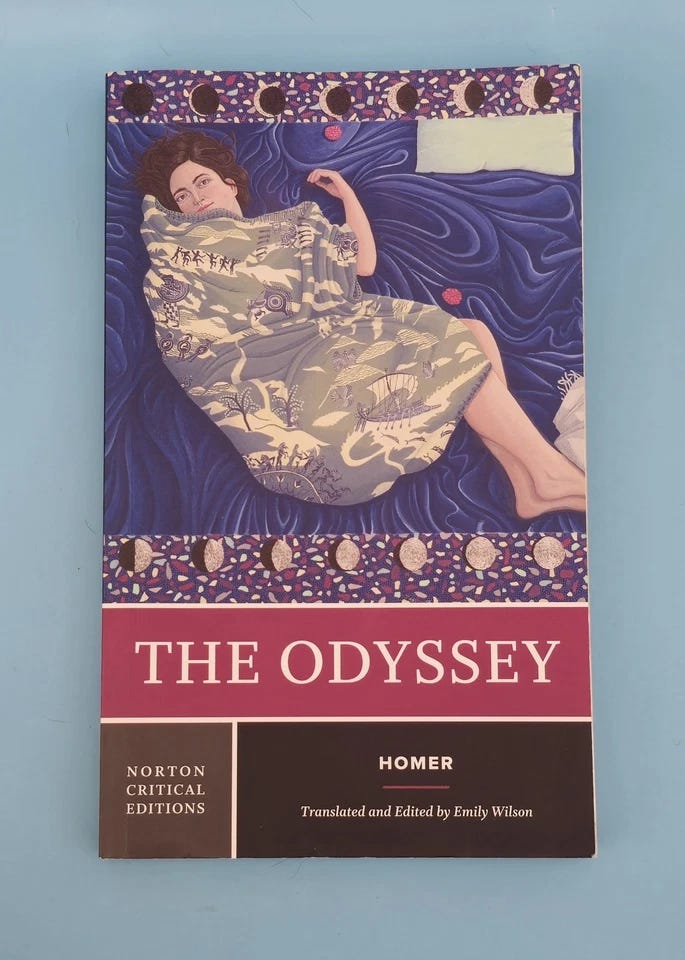
For me, this fight to change old narratives can be connected directly to Emily Wilson’s translation of the ‘Odyssey’. As the first woman to translate this epic poem into English, Wilson stripped away 400 years of male bias. An example of this is how Wilson accurately translates the ancient word for ‘slave’ instead of the more sanitised ‘maids’ which completely changes the narrative. This mirrors Beard’s fight to stop men completely controlling how history is presented, demonstrating that it is who is telling the story as to how the past is viewed.
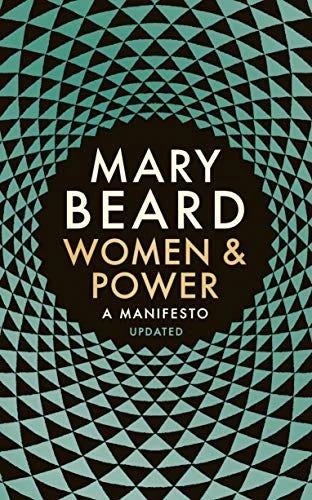
Beard’s book, ‘Women and Power’ clearly shows how our modern gender dynamics are not a natural thing, but have their origins in deep-rooted antiquated agendas. Or as Beard herself says, “You can’t easily fit women into a structure that is already coded as male; you have to change the structure.” This active erasure of women from history is equally apparent in Janina Ramirez’s book ‘Femina’.
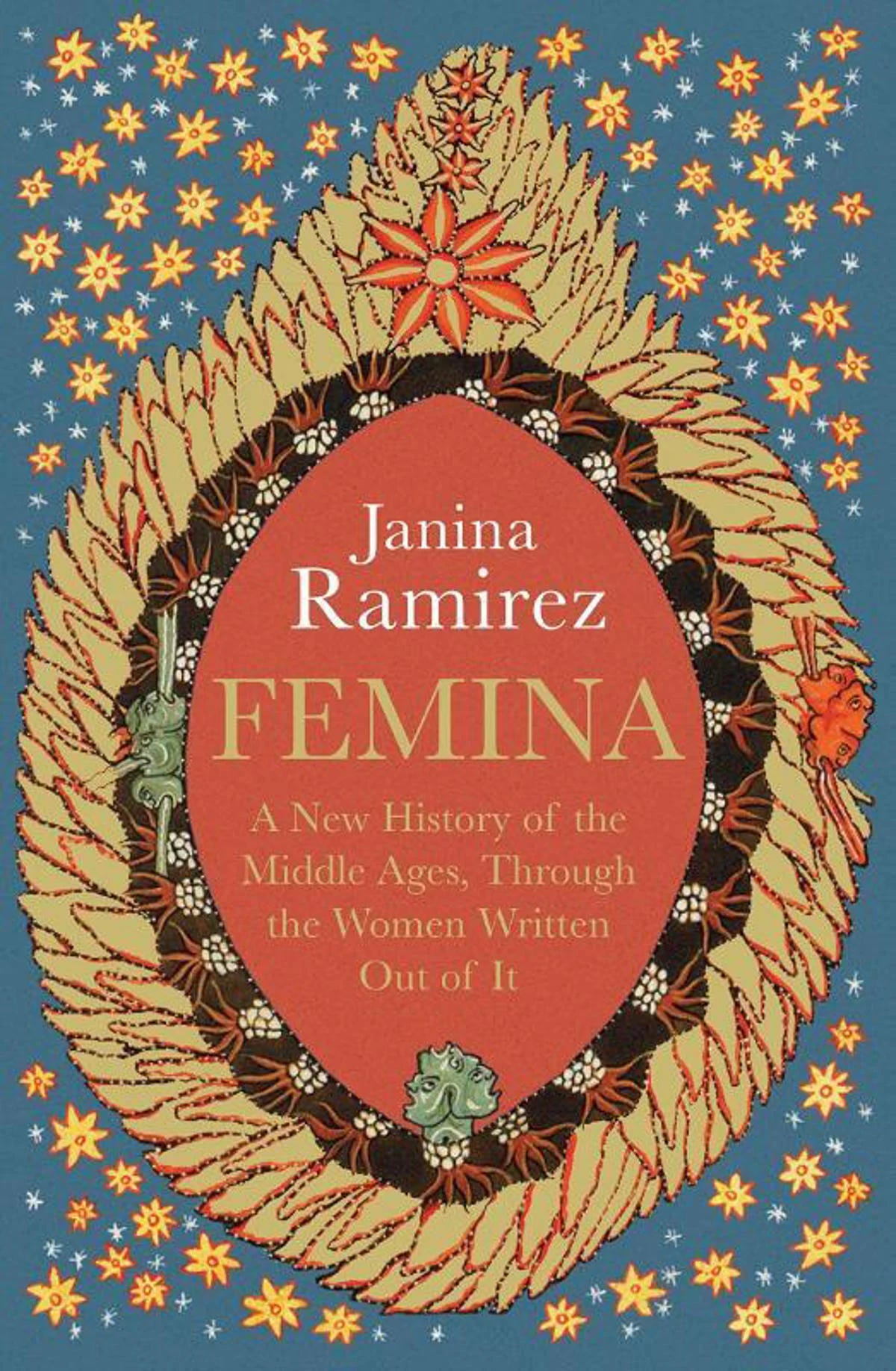
Ramirez exposes how male gatekeepers literally struck influential women out of medieval historical records by writing the word ‘femina’ in the margin in order to dismiss their importance and silence their voices. While Beard highlights how classical literature created a blueprint to silence women, Ramirez demonstrated the physical evidence of how this was achieved. Together they prove that our collective memory of the past has been manipulated to preserve male power.
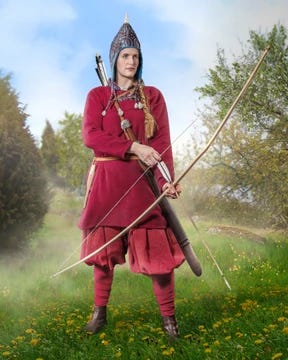
Applying Beard’s theory of systematic erasure to my own area of knowledge, namely to the Norse world has forced me to confront many of the values and beliefs that are assumed to be correct, but may easily have been distorted. The Viking Age has long been painted in pop culture as hyper-masculine. Lets take the Birka warrior grave in Sweden, as our example, here; for over a century was presumed to be male due to the high end weaponry grave goods, but DNA analysis, incidentally carried out by a woman, the person buried there was proven to be female. The largely male academic community scrambled around to argue that she was an anomaly, however there is ample evidence in the sagas, and other archaeological finds which show that women could become warriors of esteem in the Viking era.
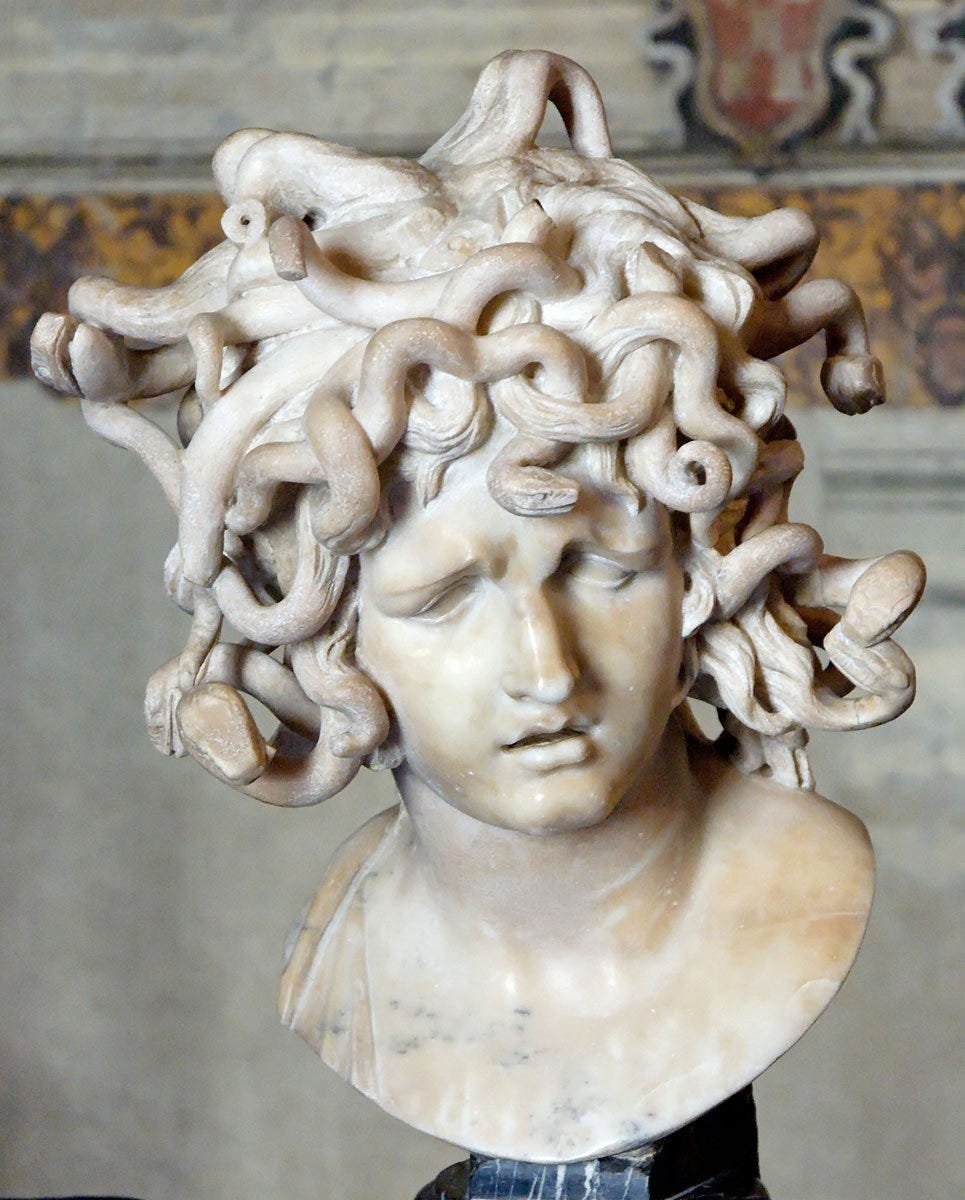
This stubborn refusal to accept women in positions of authority brings us to what I consider Beard’s sharpest analysis in ‘Women & Power’: The weaponisation of the Medusa archetype. In classical mythology, the medusa was the ultimate symbol of female monstrosity, decapitated by Perseus to protect society. Beard demonstrates how this myth is continuously recycled in modern politics, for example, to punish women who speak up and make themselves heard; the perfect example here is Hilary Clinton who ran for the presidency of the USA and was frequently depicted in the media as Medusa, with make opponents cast as the hero Perseus. In mapping modern women onto this ancient monster society subconsciously frames them as unnatural threats to the status quo.
The way forward must lie with the storytellers of the future. While Mary Beard has laid the modern groundwork by exposing how the patriarchal blueprint works, there is a glimmer of hope that this dismantling old the old ways will be carried forward by the new generation of women historians, such as Janina Ramirez, Alice Roberts and Eleanor Barraclough, who are fundamentally changing what history looks and feels like. Alongside peers such as Suzannah Lipscomb and Cat Jarman, they are blending the rigours of science, and archaeology with engaging broadcasting, to re-write women back into the historical narrative.
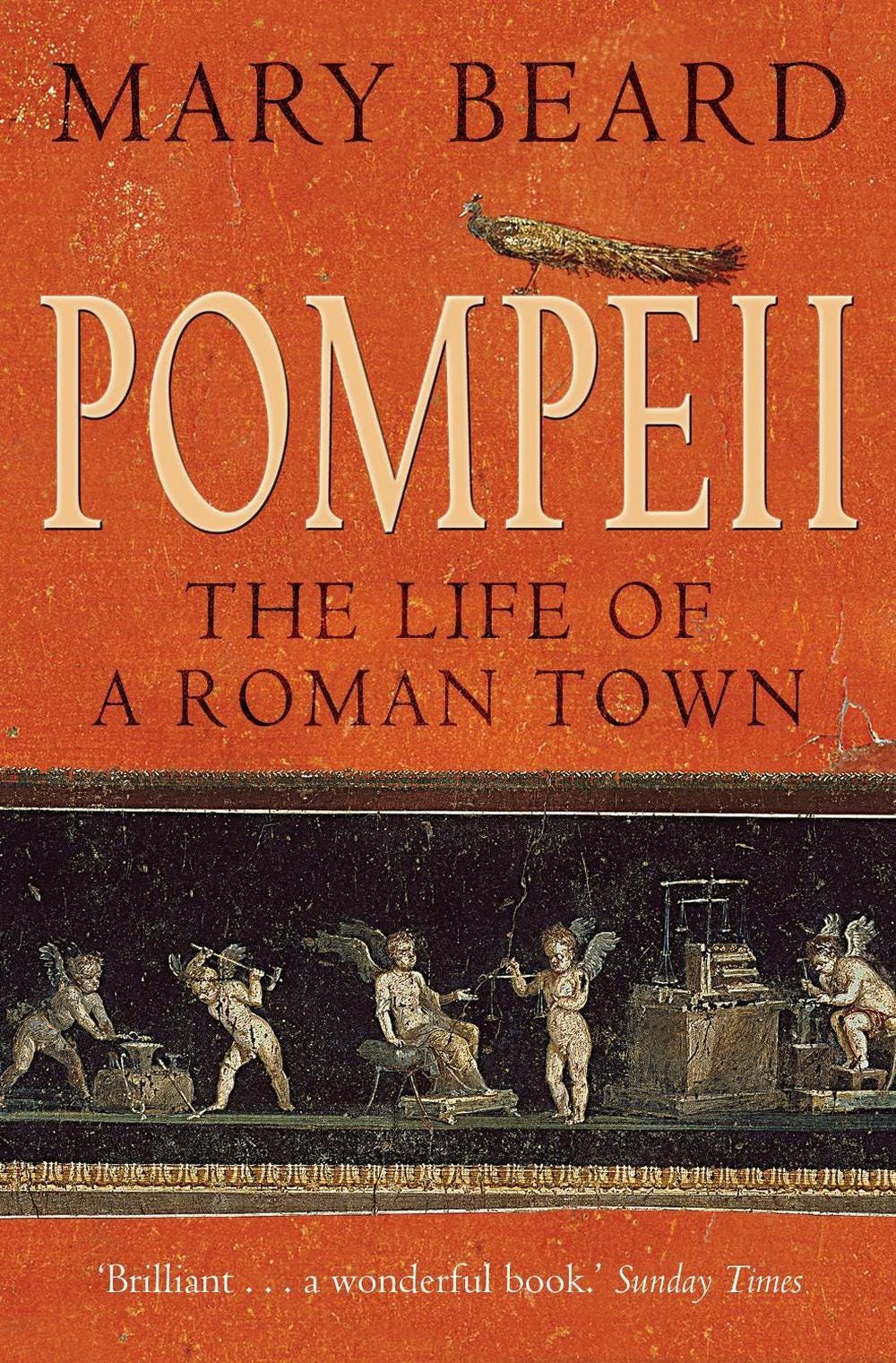
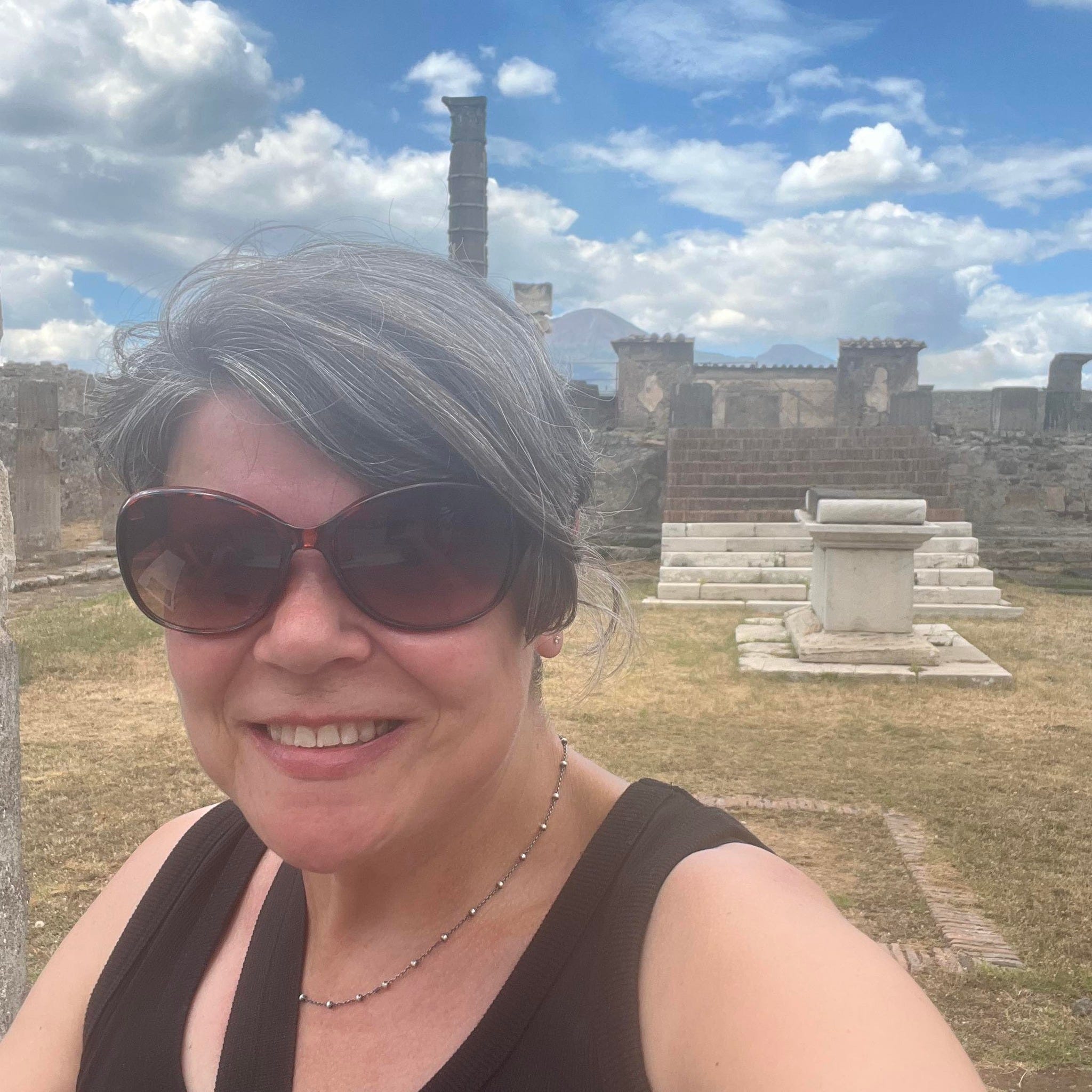
This shift has had a massive impact on how I view and understand history. Last year I had the good fortune to visit Pompeii, and had no hesitation in packing Mary Beard’s ‘Pompeii: The Life of a Roman Town’ in my day bag. I didnt want the standard male-dominated tour of gladiators, I wanted her feminist perspective to guide my feet.
Although I have visited before many years ago, I wanted to see how the ordinary people, now preserved as ash sculptures, lived, shopped and spent their leisure time, and Mary’s word transformed my experience. I noticed the layout of kitchens and bakeries, and viewed how enslaved people kept the city running.
Beard and the generation of women historians following her, gives us the tools to see the past in new ways, with in all the colours it should be
Join the Conversation.
What historical era do you think needs remodelling from a feminist perspective? Let me know your thoughts in the comments below:
they did the same w Marija Gimbautus. and time proved them all wrong. 🧐