
Dísablót
The Blood Moon is Honouring Your Female Line

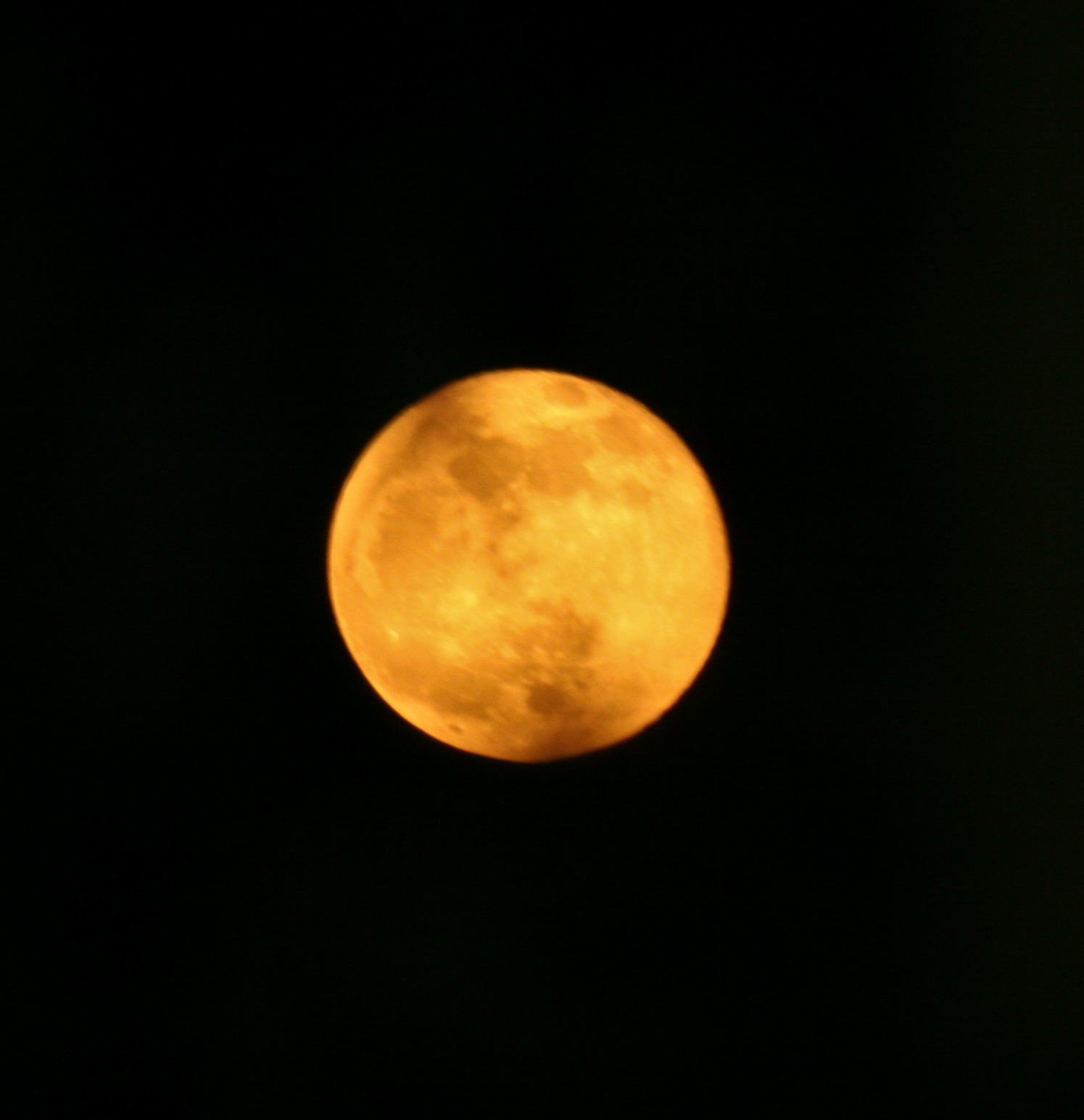
The full moon of the 15th of March (tonight) is extra special for a number of reasons. There was a total lunar eclipse yesterday, making the moon appear red-ish coloured and this full moon aptly known as the blood moon. I expect you have noticed the change in the season, Spring is starting - flowers are coming up and birds have begun to sing. The mornings are not so dark, and soon summer will be here.
Blood, though is one of the connections I directly link to my own female ancestral line. Blood in this case, is both DNA and menstruation. My ancestors are of course both of blood and faith. This rite is known in Heathenry as the Dísablót. Offerings are made to the Disir, your female ancestral guardians – those who protect you from beyond the veil. To Frigg, The Norns, weavers of fate, and the Valkyries can also be honoured in ceremony.
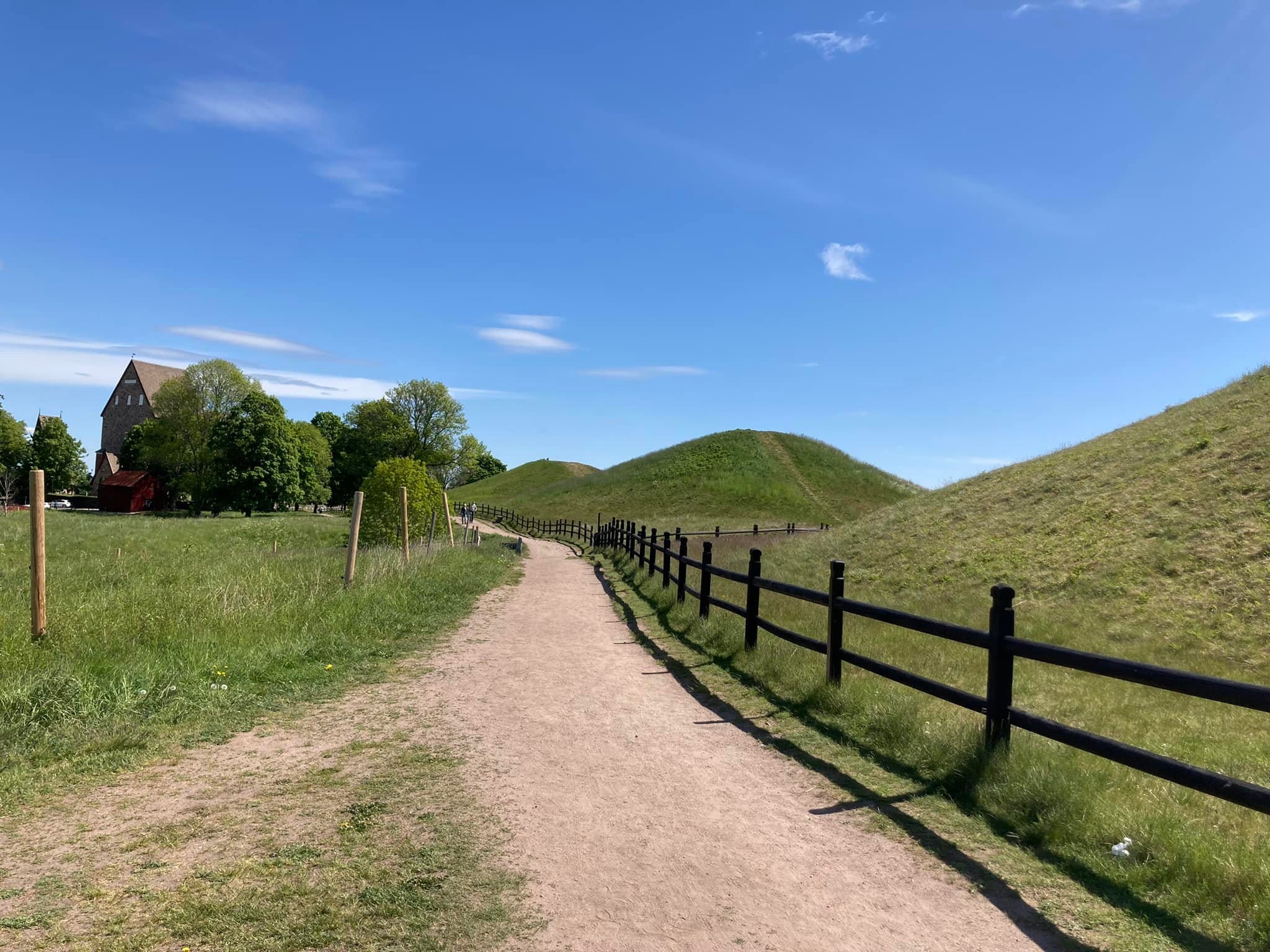
In historical times, the Dísablót was a sacrifice given to aid the future harvest, and in Uppsala in Sweden, a fayre called the Disting and market is still held every year. It is attested to in the Sagas and Eddas, notably in the Heimskringla – the Norse Kings Saga of Ynglinga, the king of Sweden performed the rite at Uppsala, which ultimately led to his death, his remains may well be one of the mighty mounds in Gamla Uppsala:
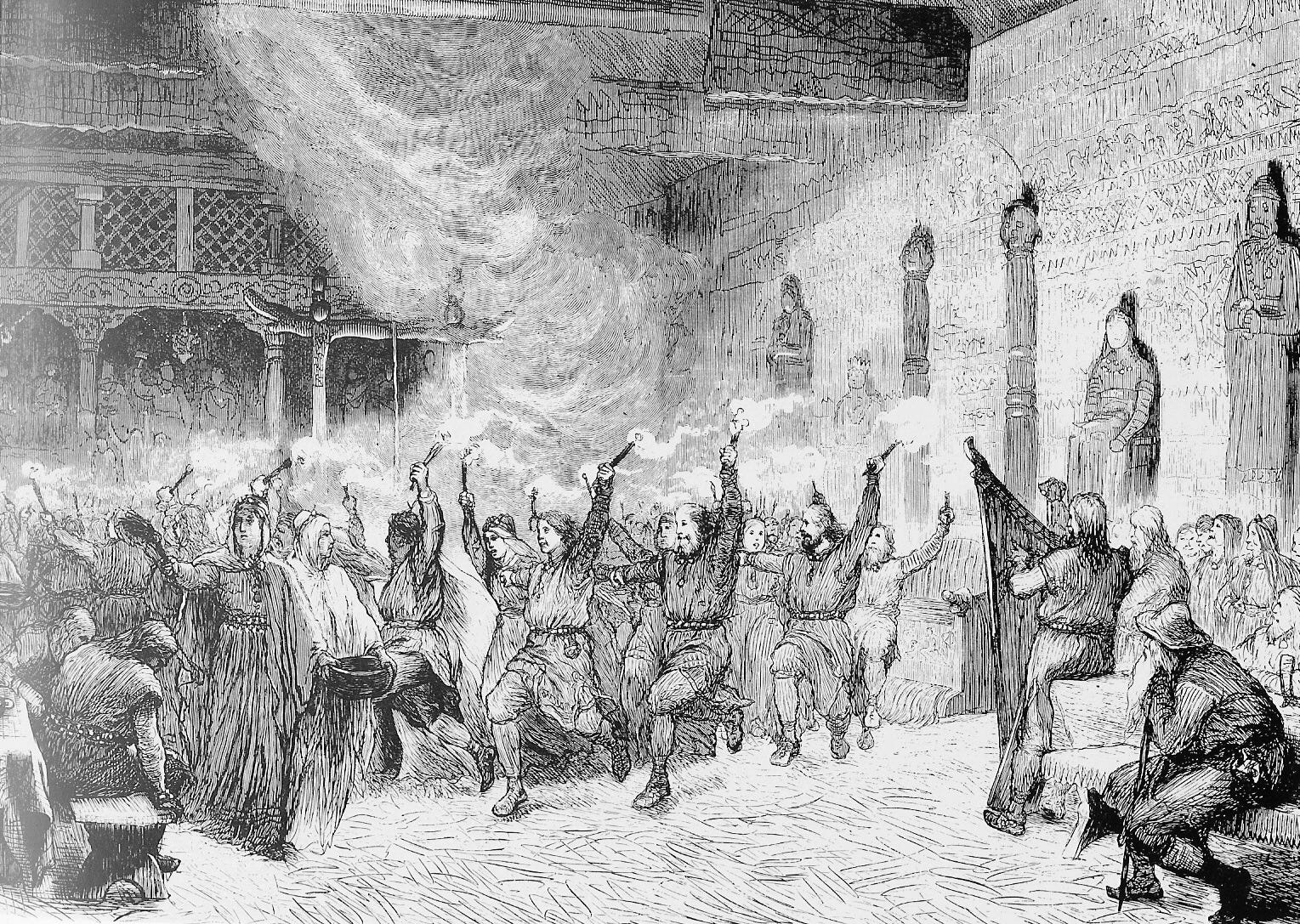
“King Adds was at a Disa sacrifice; and as he rode around the Disa hall his horse Raven stumbled and fell, and the king was thrown forward upon his head, and his skull was split, and his brains dashed out against a stone. Adils died at Uppsala and was buried there in a mound. The Swedes called him a great king Thjodolf speaks thus of him:
Witch-demons, I have beard men sav,
Have taken Adils' life away.
The son of kings of Frey’s great race,
First , the fray, the fight, the chase.
Fell from his steed — his clotted brains
Lie mixed with mire on Uppsala’s plains
Such death (Fate has willed it so)
Has struck down Oden’s deadly foe.”
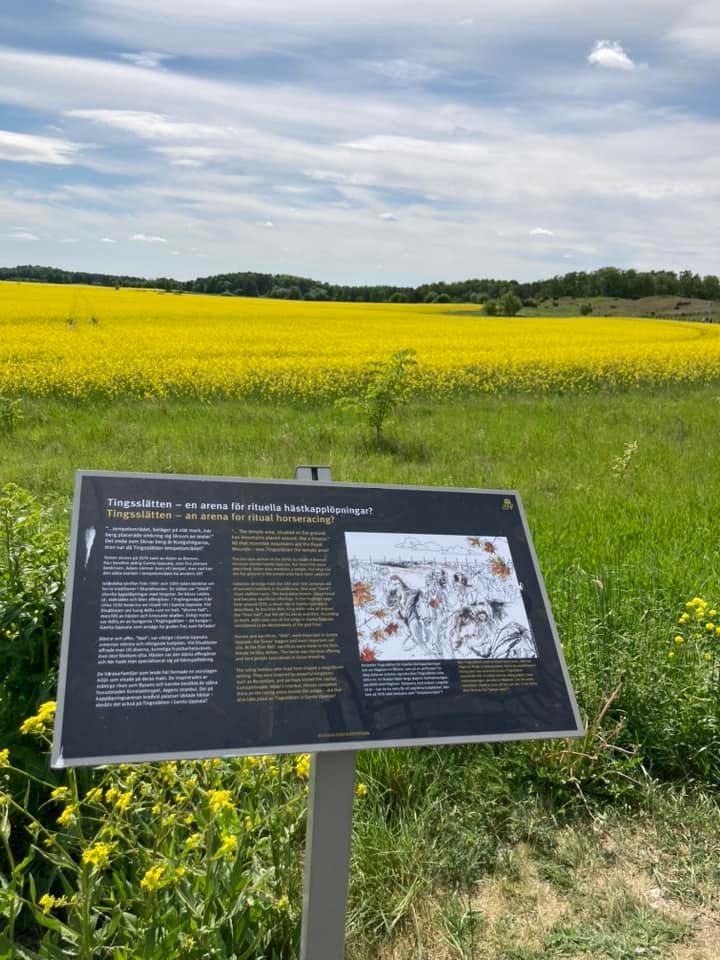
In Sweden, the Disting and Dísablót was of great political importance, with the Thing (parliament) held at the same time.
It is as significant today as it was in pre-Christian Scandinavia, where society was considered largely patriarchal, that female deities and the female aspect was revered. In Heathenry the female spirits play a crucial role in the cosmology as well as myths.
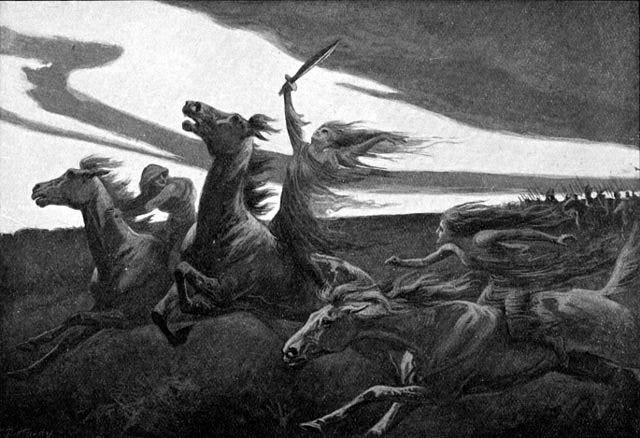
The Norns spoken of in the Voluspa in the Poetic Edda, weave the lives of everything into and out of existence, all fate is determined by them, even the gods. The female warriors who choose which of the battle slain with enter Valhalla, play a significant role as fierce justifiers and have a baring on the fate of all.
One of the best primary accounts of the Dísablót is by Adam of Bremen, who observed that nine sacrifices of nine difference species would be made, the blood from these was used to bless worshippers and the sacrifices hung from trees surrounding the temple at Uppsala.
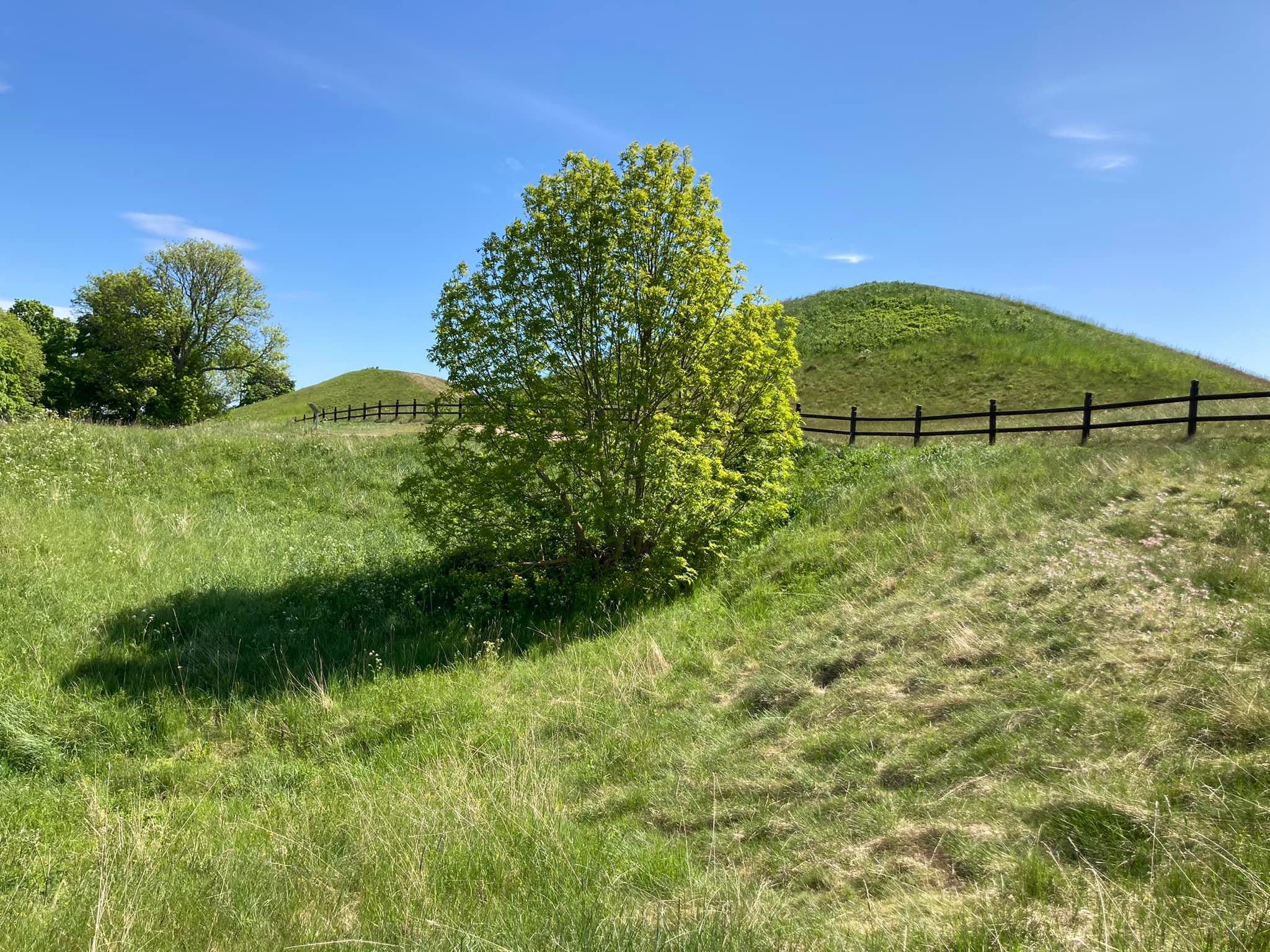
Although this type of sacrifice is not something that is considered socially acceptable in modern times, a contemporary ceremony can still utilise aspects of historical traditions, for example, gathering in a grove of trees, bringing idols of the female goddesses, along with other representations of your female line. Make a Horgr (an altar made of stones) and bring offerings of meat as well as mead, flowers which could be placed on the Horgr or hung from trees, the mead used to bless the Horgr and attendees. Songs and poetry could be read in honour of the Disir.
Above all, it is a time of thanks for female protection and hope, reflecting the coming of spring and return of the light.
Enjoy!