
Entering Heyannir
Tending the Soil as Tribute to Freyr

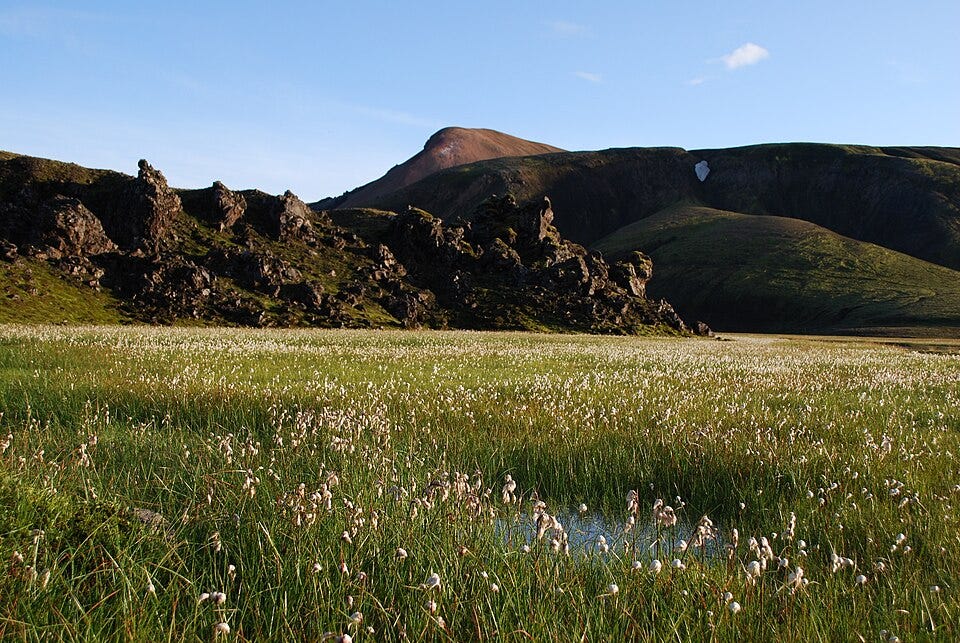
For those of you who haven’t been following my recent Instagram posts, here is a general recap: for the past week or so, I have been posting about books which demonstrate my enduring fascination with Iceland. These have varied from my old battered copy of the Rough Guide to Reykjavik to The Sagas of the Icelanders. (Please check out my Instagram profile heathen_pilgrim for more.) There is a unique magic in both Icelandic literature and books about the country, that have captivated me since I first picked up that guide book many years before I visited.
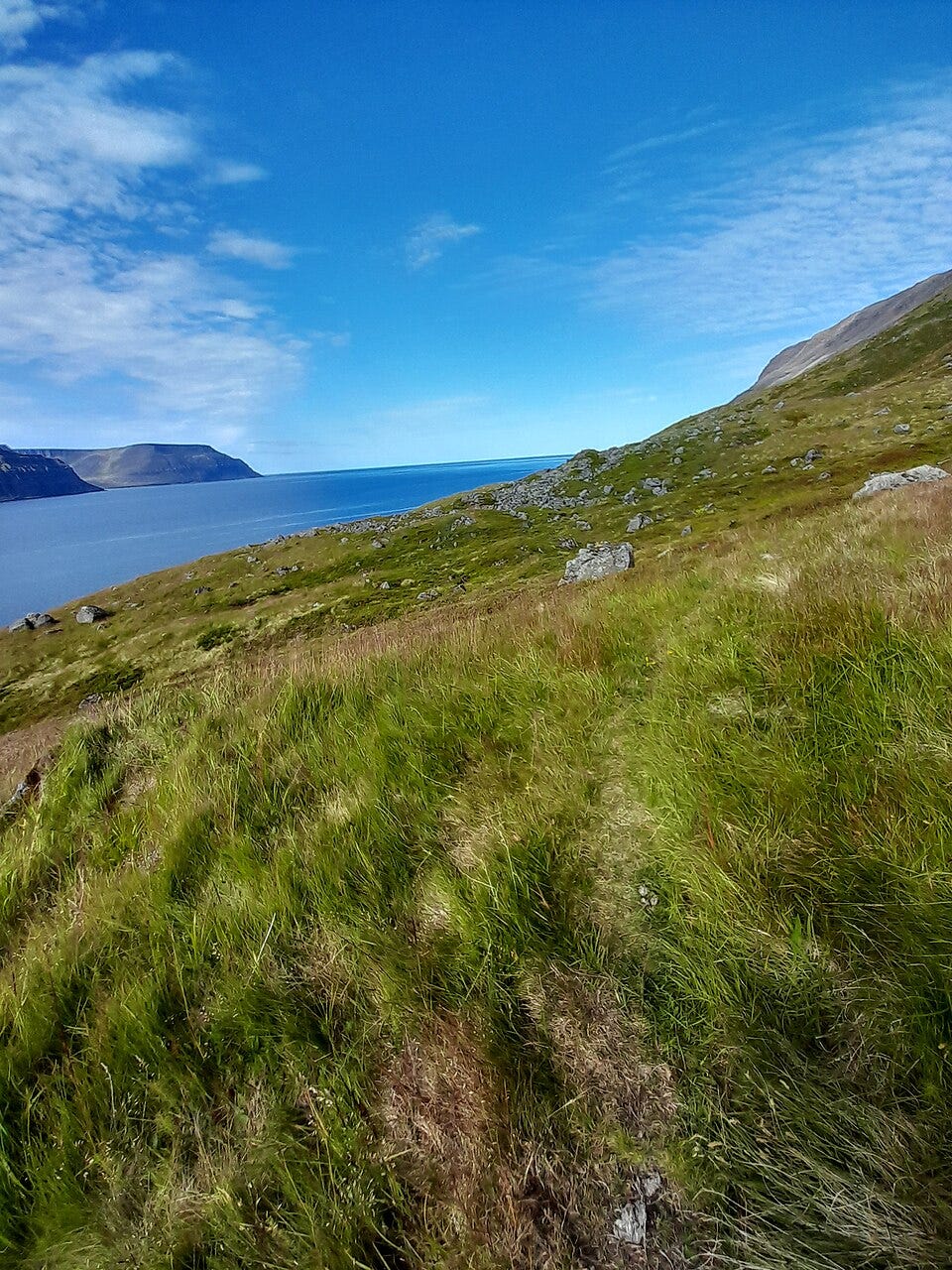
This week’s blog post concerns the changing seasons, as we have officially stepped across the threshold into Heyannir - the Old Icelandic month of “hey making”
In a land with a brutally short summer, July was never a time of relaxation, but rather a frantic race against time to cut, turn and store enough grass to keep livestock alive during the perilous winter.
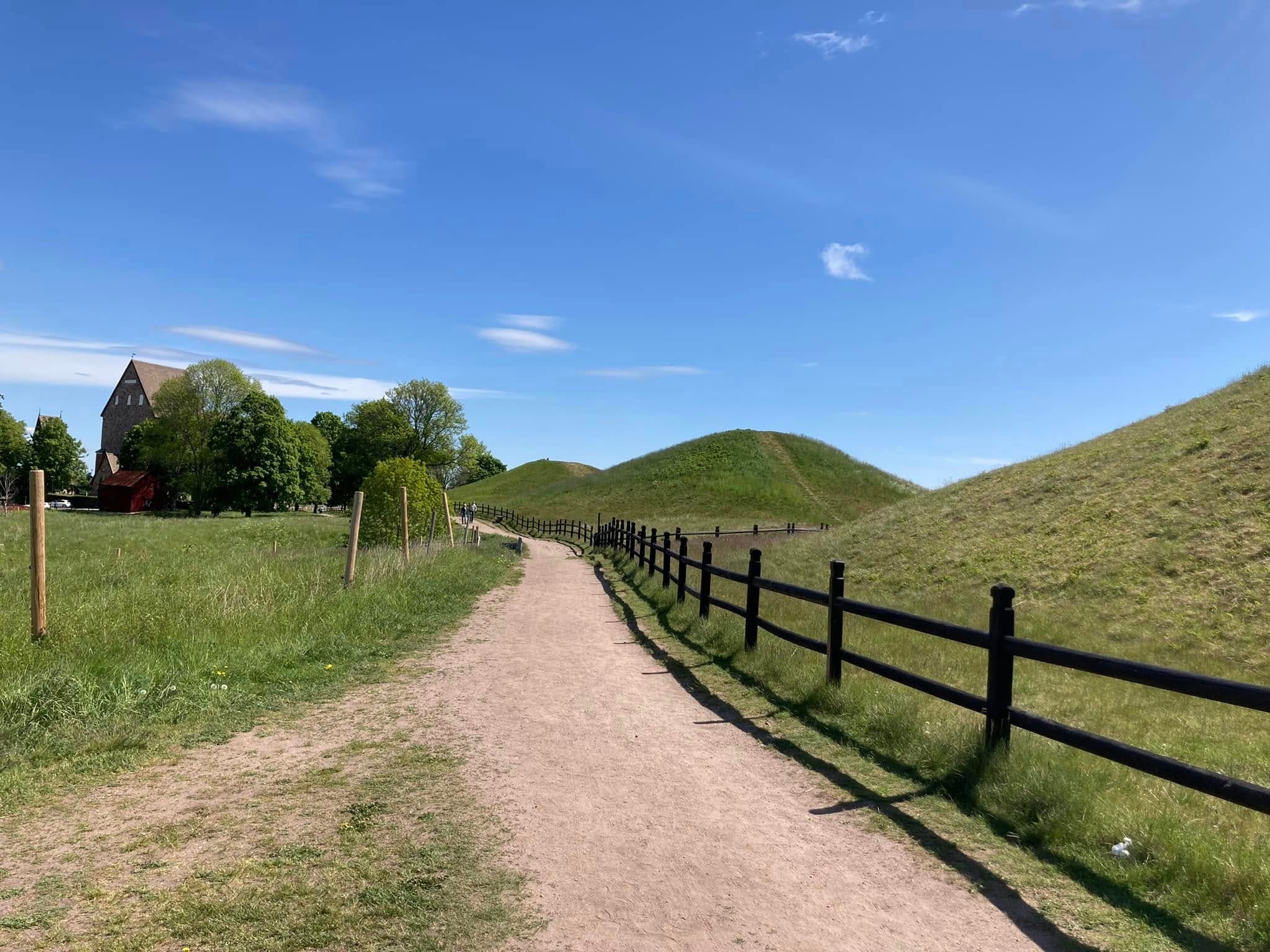
To understand the divine force behind this agriculturally intense period, its necessary to travel east from the quiet hey making of Heyannir in Iceland, to the grand heart of Pre-Viking Age Sweden. When I walked beside the monumental burial mounds at Gamla Uppsala in 2023, the scale of which I have never seen before, which in turn, forces a shift in perspective. Here you are faced with the remains of a site that served as the spiritual axis for the entire region; the place where human need and godly intervention met.
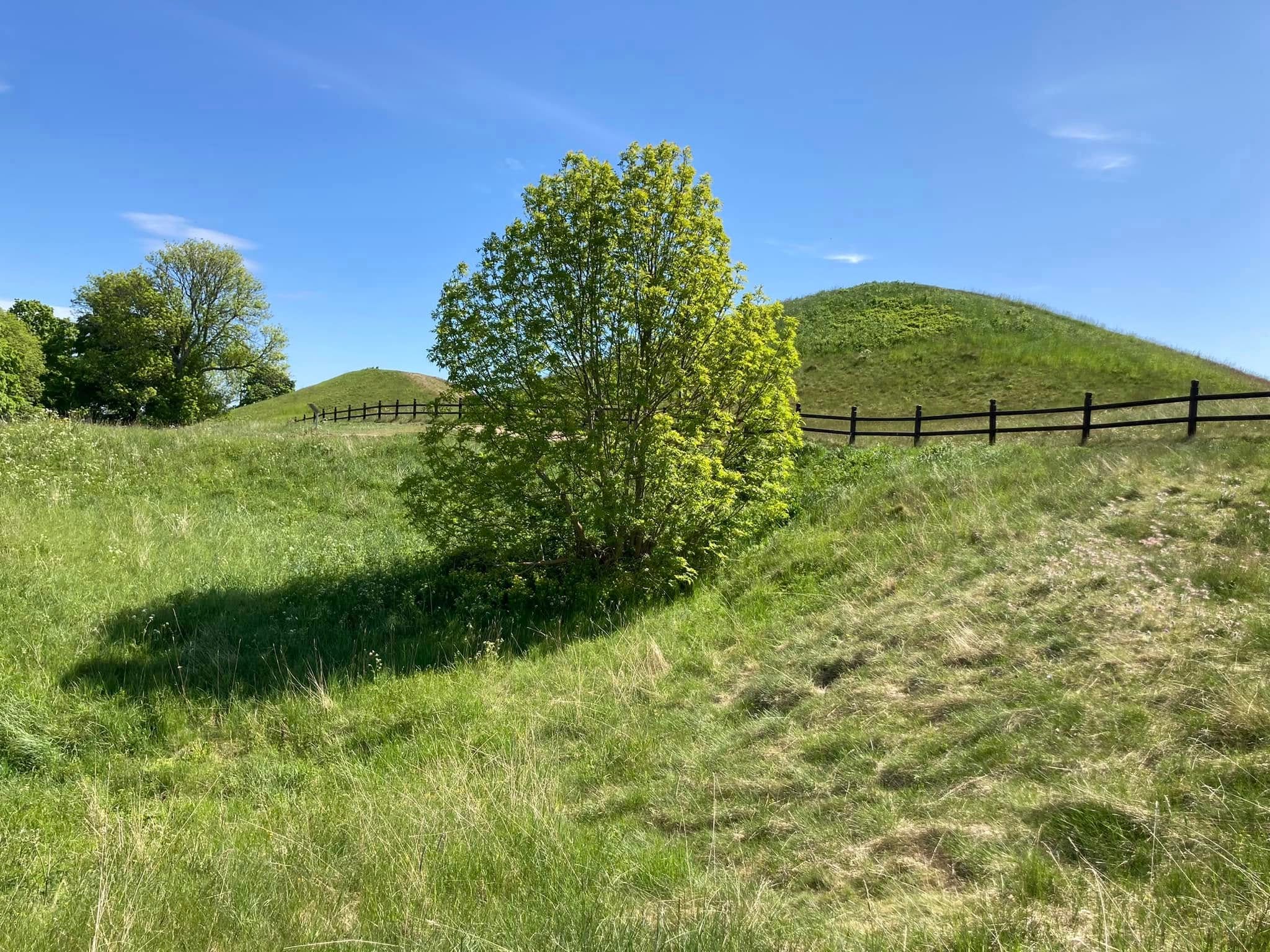
German chronicler Adam of Bremen write extensively about the ritual site of Uppsala in his 11th century Gesta Hammaburgensis Ecclesiae Pontificum, in which he describes the magnificence of the temple where the three figures of Thor, Woden and Fricco - the Latinised name of Freyr, were housed. Adam explicitly notes that Fricco is the god who “bestows peace and pleasure on mortals.” In a society plagued by the real threat of crop failure and disaster, “peace and pleasure” symbolised a freedom from famine, good weather and the success of the harvest. Fricco could, therefore, be considered the lord or god of the harvest.
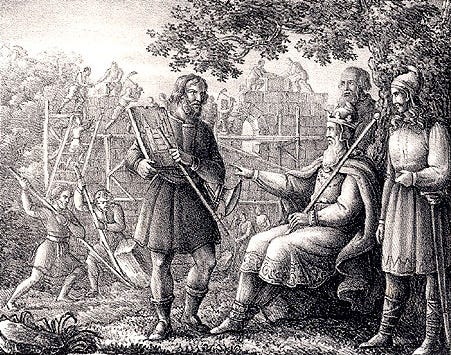
Freyr was also identified by his Swedish ancestral name: Yngvi (or Ingvi). According to Snorri Sturluson’s Ynglinga Saga, Freyr established his capital at Uppsala and founded the most prestigious royal house in Scandinavia, the Ynglinger. As a divine ancestor, Yngvi-Freyr tied the authority of the Swedish kings directly to the yield of crops and agriculture. Under his reign the sagas record many seasons of plenty, so much so, that the king himself became synonymous with the harvest.
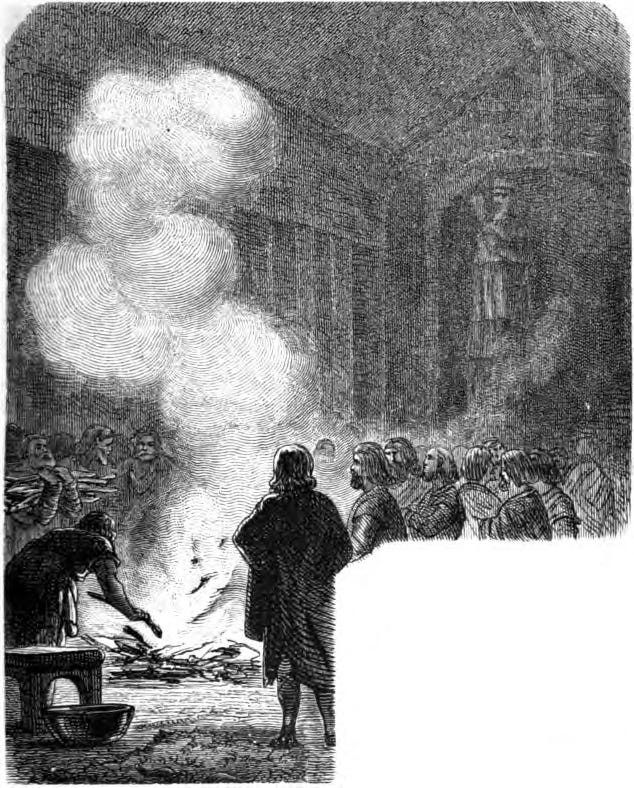
In Sturluson’s Hákonar saga góða, it is recorded that toasts were raised to Freyr and Njord “Til árs ok friðar” - a ritual formula that translates roughly to “A good year and peace.” This indicates that the grand temple, home to the gods on earth was the centre of negotiation between the communities and their deities: the community offered their most precious assets, including humans in order to assure a seasonal peace and good harvest.
The Old Norse mindset viewed the divine not as separate , but as a practical, lived system of reciprocity, as Neil Price in his seminal work, The Children of Ash & Elm, says that this belief was a framework through which communities understood the success of the harvest, the turning of the seasons and the survival of the household.(Price. 2020 Chapters 3 & 4.)
Even today as we tend our modern patches of soil, although we no longer (on the whole) pour blood on an altar to secure a good year ahead, instead we water our crops, pull weeds and work until our fingernails are cake in dirt - much as our ancestors did.
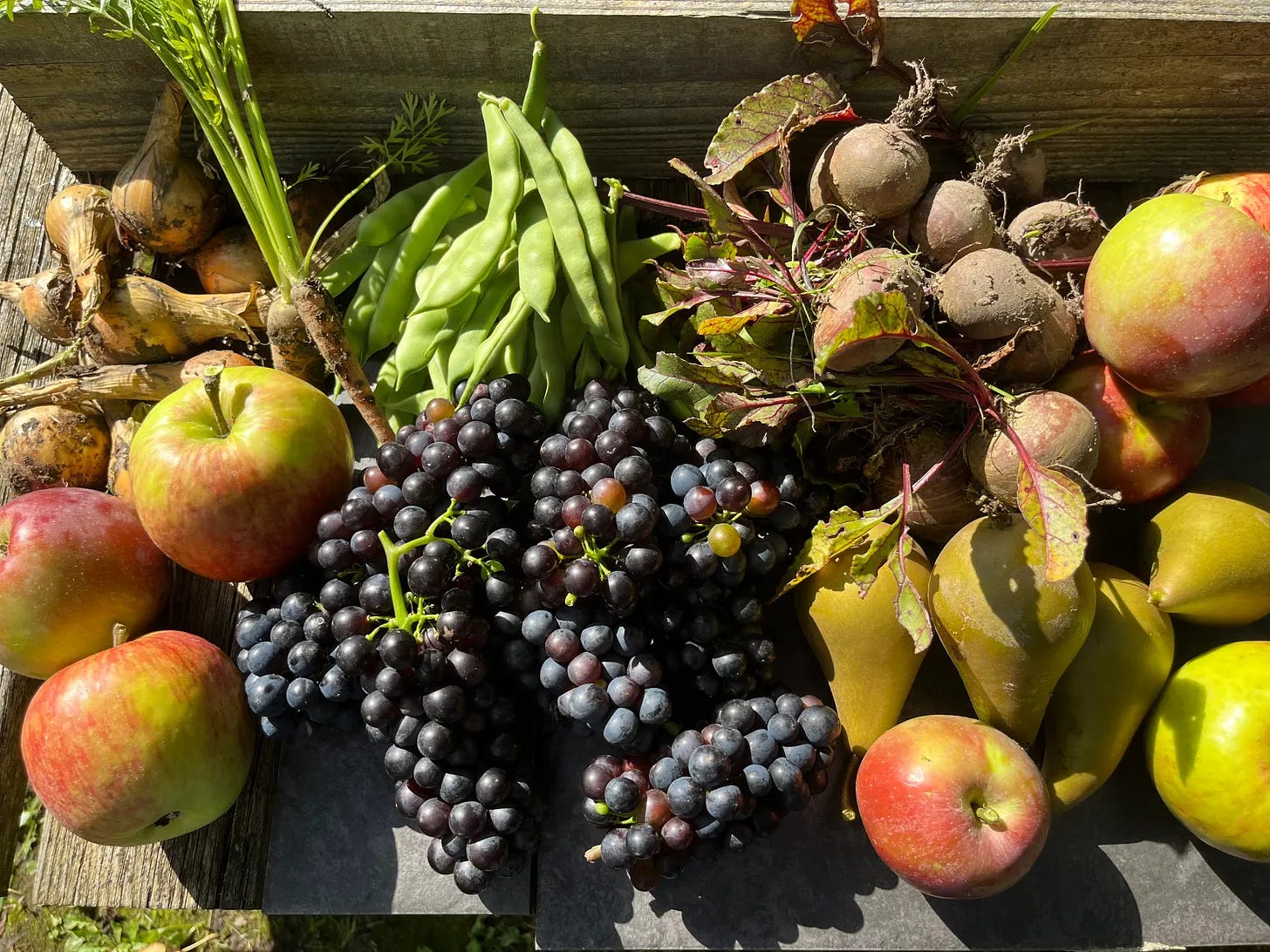
If you read my Wednesday re-visit, this week, “Growing Things”, you will understand how the growth we see in July is a manifestation of Freyr’s presence in the soil. A true relationship with the god of the harvest is not always forged at the festival bonfire, or with elaborate offerings, instead it is forged by tending the land, by giving your physical labour to the earth. In doing this you are engaging in the same ancient exchange and paying your dues to Freyr.
Images:
Images of Uppsala and the Harvest are © Thea Prothero
Images of Iceland in the summer are copyright free from Wikimedia Commons.
Yngvi-Freyr constructs the Temple at Uppsala in this early 19th century artwork by Hugo Hamilton
In Freyr's Temple near Uppsala" (1882) by Friedrich Wilhelm Heine.
Text Sources
Adam of Bremen. Gesta Hammaburgensis Ecclesiae Pontificum ( History of the Archbishops of Hamburg-Bremen) Book IV Chapter 26. (1073-76 describing the temple at Uppsala)
Snorri Sturluson Hákonar saga góða (The saga of Hakon the Good) Chapter 14, in Heimskringla
Snorri Sturluson Ynglinga Saga, Chapters 10-12 in Heimskringla.
Neil Price. The Children of Ash and Elm - A History of the Vikings. Chapters 3 & 4. Penguin Books 2020.
All my work is 100% AI free
if you want to read more about the Norse gods, cosmology and other aspects of Heathenry, please check out my book:
Available from all booksellers, online or in-person.