
Frankenstein
A Review of Del Toro’s New Interpretation of the Cinema Classic.

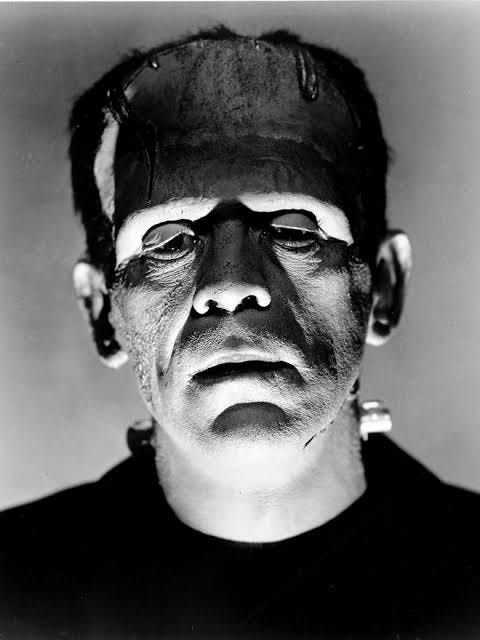
Mary Shelley’s novel has a long theatrical history, my personal introduction to it was the old black and white 1931 film featuring the iconic bolted necked monster created by Boris Karloff on the BBC’s Saturday Night Late feature films.
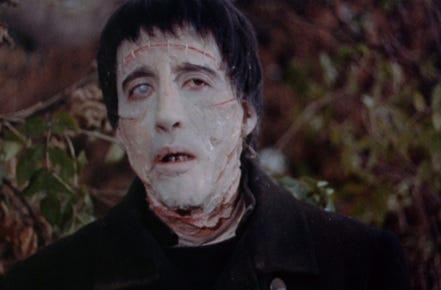
Followed by the legendary technicolour Hammer ‘The Curse of Frankenstein’ featuring Christopher Lee’s tragic version and Peter Cushing as his arrogant creator.
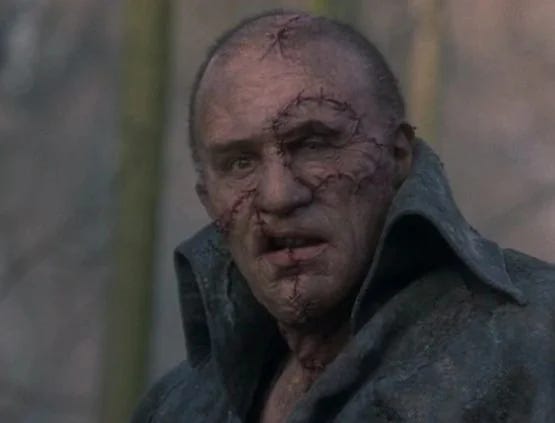
Other filmic adaptations include the 1994 ‘Mary Shelley’s Frankenstein’ largely considered the most faithful version of Shelley’s novel. This version is altogether more sympathetic to both the character of Von Frankenstein himself, and the monster. It certainly had the budget, and an all-star cast including the swaggering Robert De Niro as the much maligned monster.
.
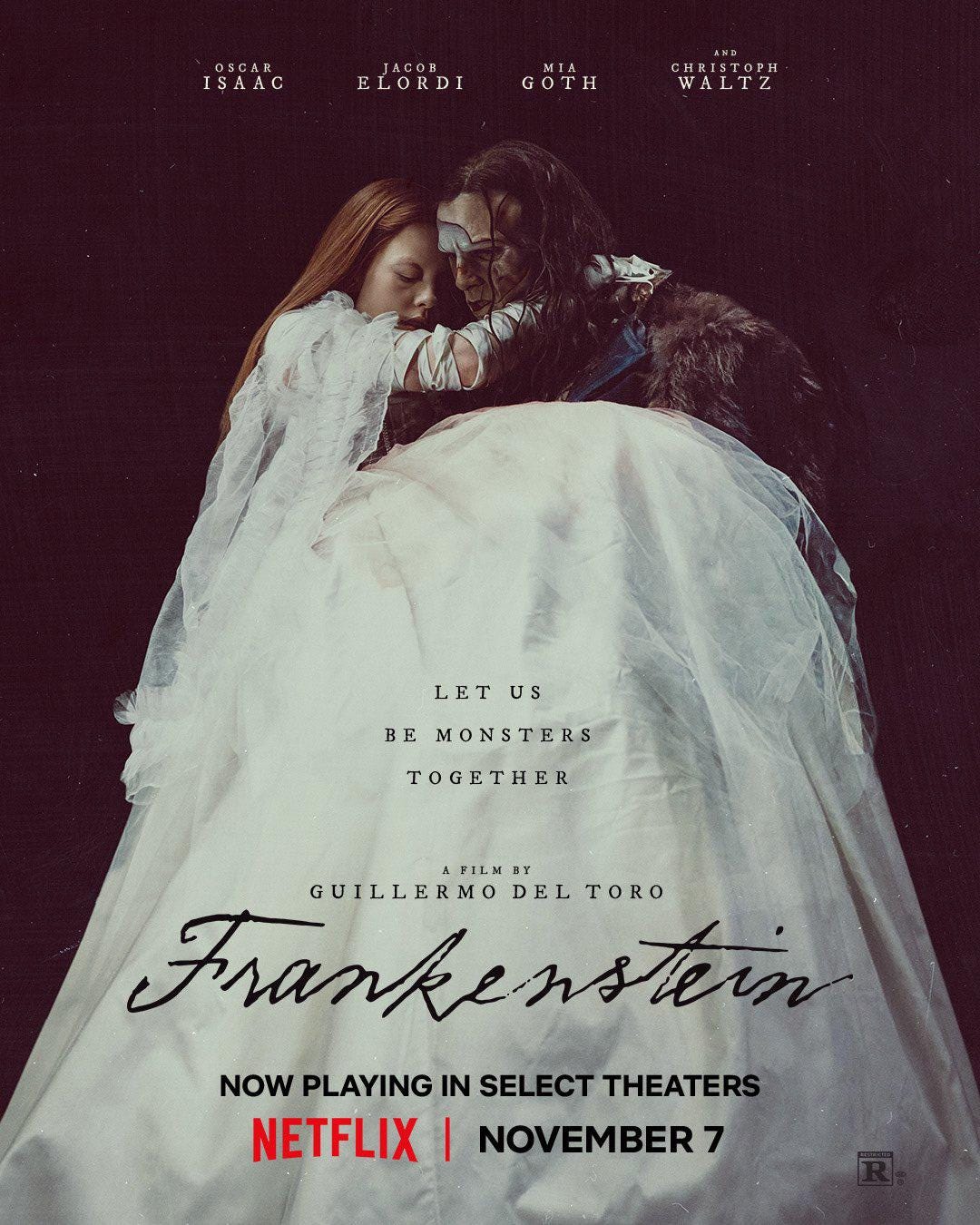
The newest version is hot on the heels of Eggers’ sublimely beautiful Nosferatu, and directed by one of the modern masters of the horror genre, Guillermo Del Toro. Like Nosferatu, it follows the aesthetic motif of beauty in the grotesque, albeit this time made by human hands, rather than the supernatural. The cinematography is simply stunning, and the stately melodrama plays out as a visual treat for the audience. Plus Del Toro has the added advantage over former renditions, of completely modern prosthetics and make-up; rendering his monster not only sympathetic but prepossessing in his grotesqueness.
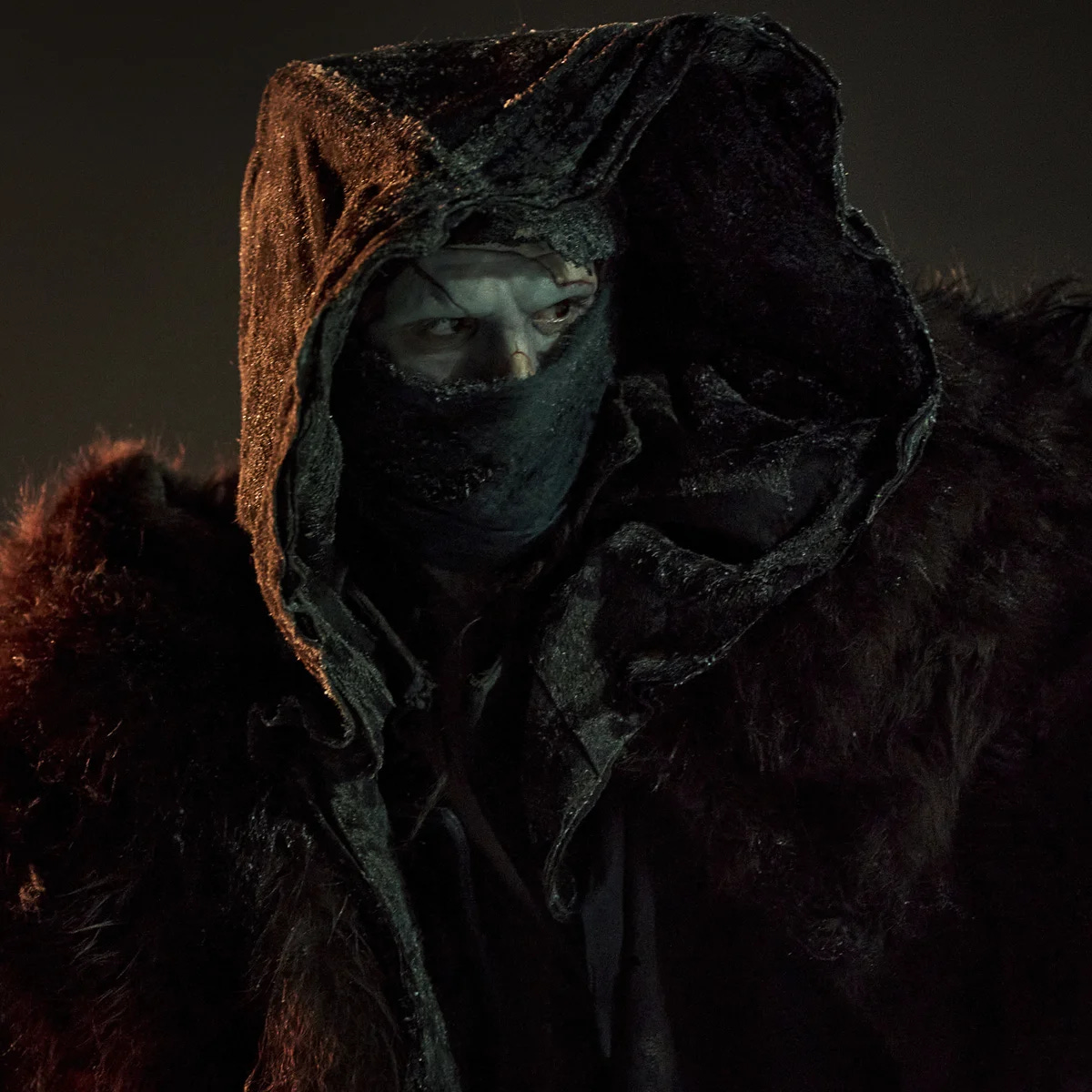
Portrayed by Jacob Elordi, the monster looms impressively over both his maker and the doomed heroine, delicately played by Mia Goth (of Pearl fame.) Viewers cannot fail to be left wondering at the epitome of the anti-hero.
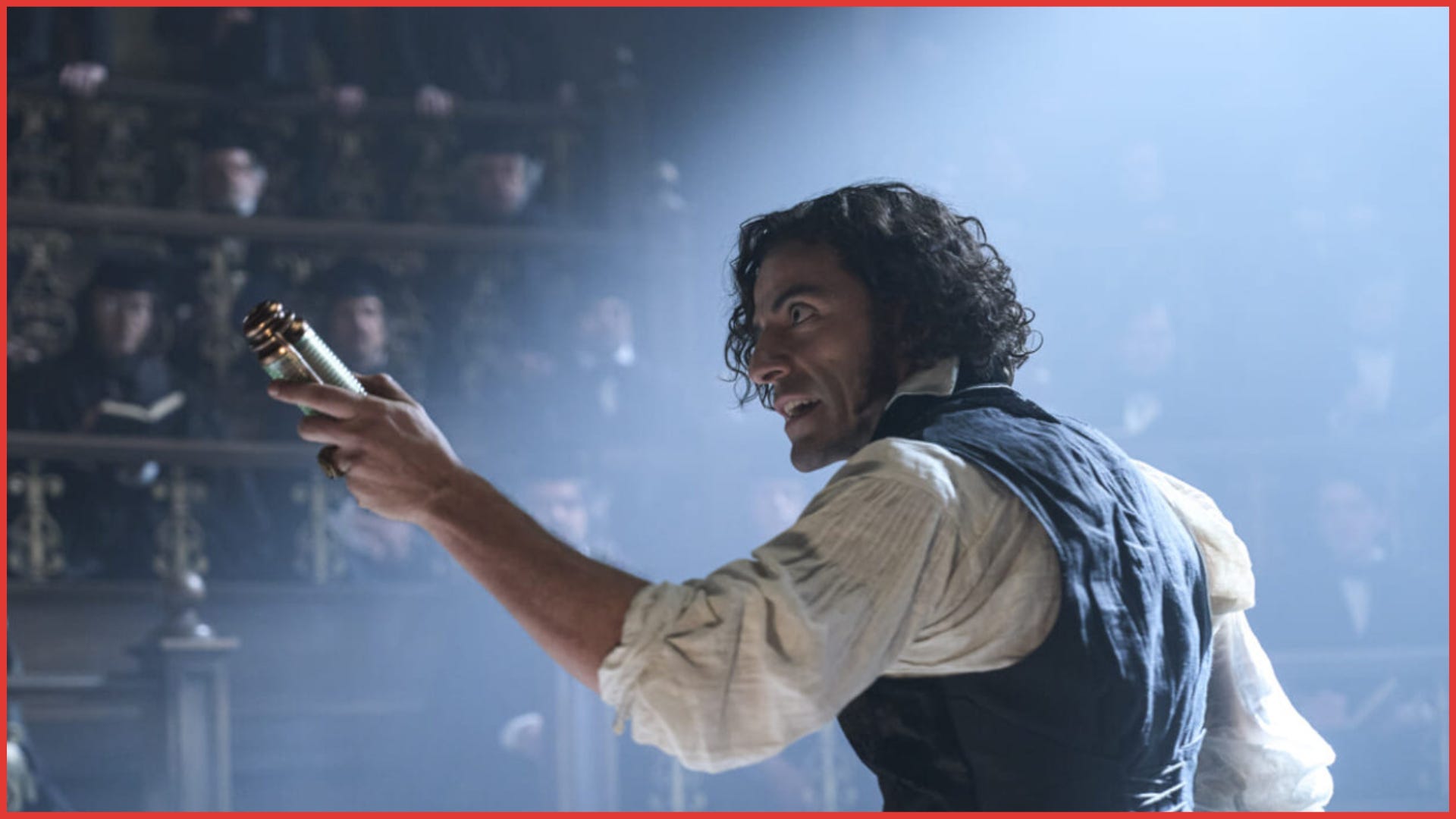
Jason Isaacs, of Star Wars fame, plays the haughty, arrogant Baron, with his all-too-plummy English accent, he is intensely dislikable and Del Toro clearly defines him as the true monster, unable to accept that only the divine create the living, and that his long suffering brother’s fiancé is out of bounds. His debaucherous conceit is only matched by the innocence of his creation.
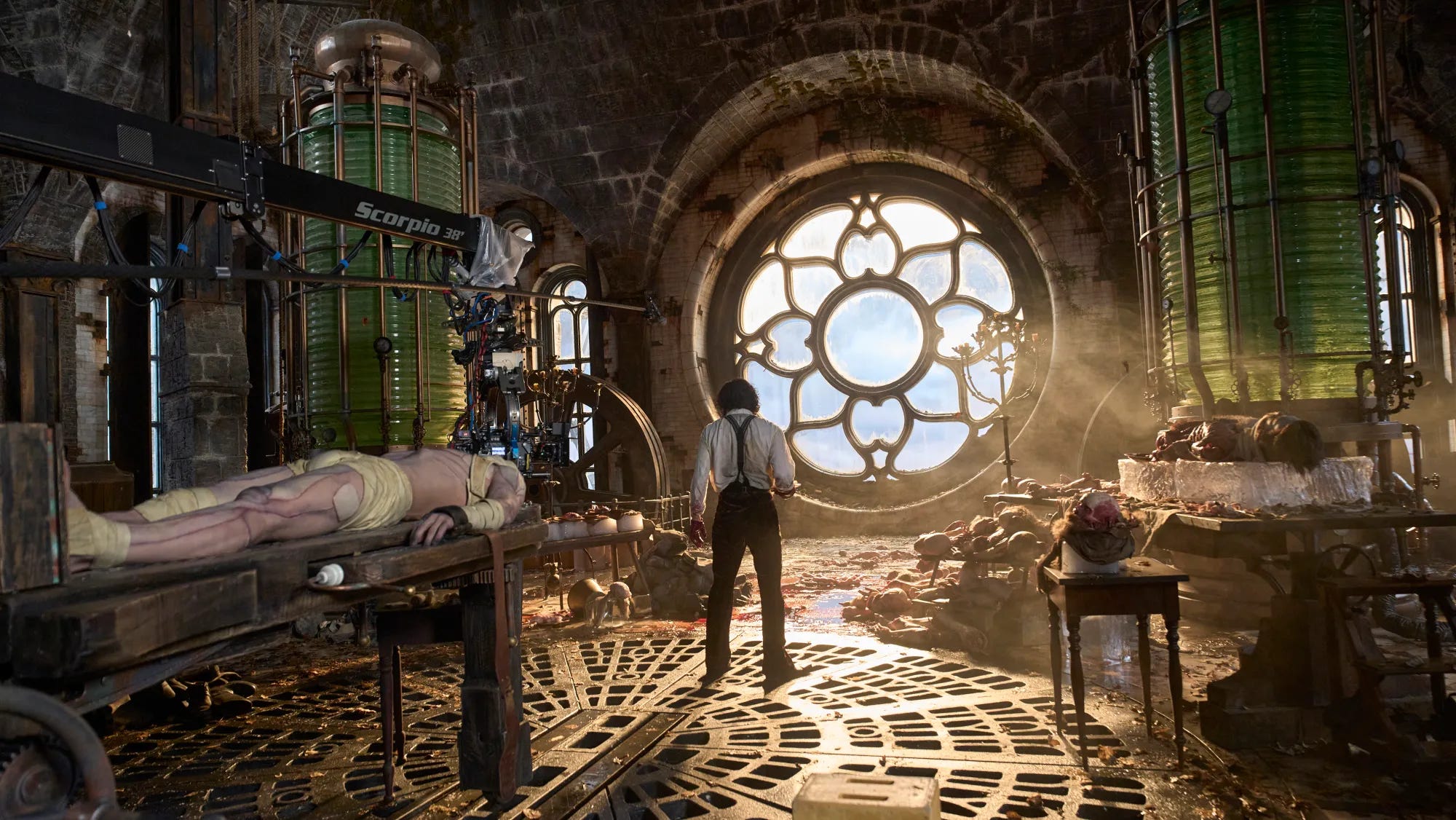
The visual beauty of the movie, has many of Del Toro’s signature style, the attention to detail and authenticity to the period is presented in luxurious depth, making the whole movie a spectacle to behold. However to me, in this instance, all this comes with the penalty of loosing the essence of a true horror film. Having said that, I did quite enjoy the narrative switch into the voice of the monster, sharing his life story post-the-baron.
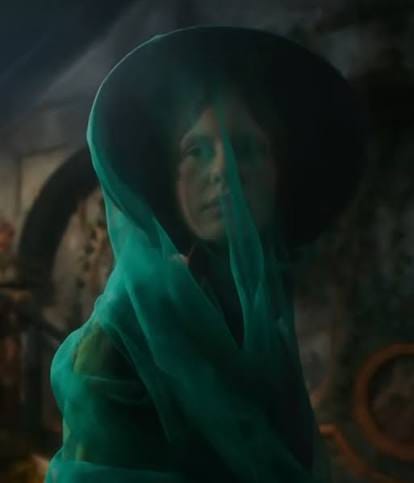
I also felt that the Elizabeth character was underused and fell short of Mia Goth’s potential. This has the feel of the heroine in Crimson Peak, and I feel a wasted opportunity.
Having said that, the film is a beautifully told story, and easily examines the Prometheus effect.
Recommended.
Available on Netflix.