
Spring Labyrinths
The start of Pilgrimage season!

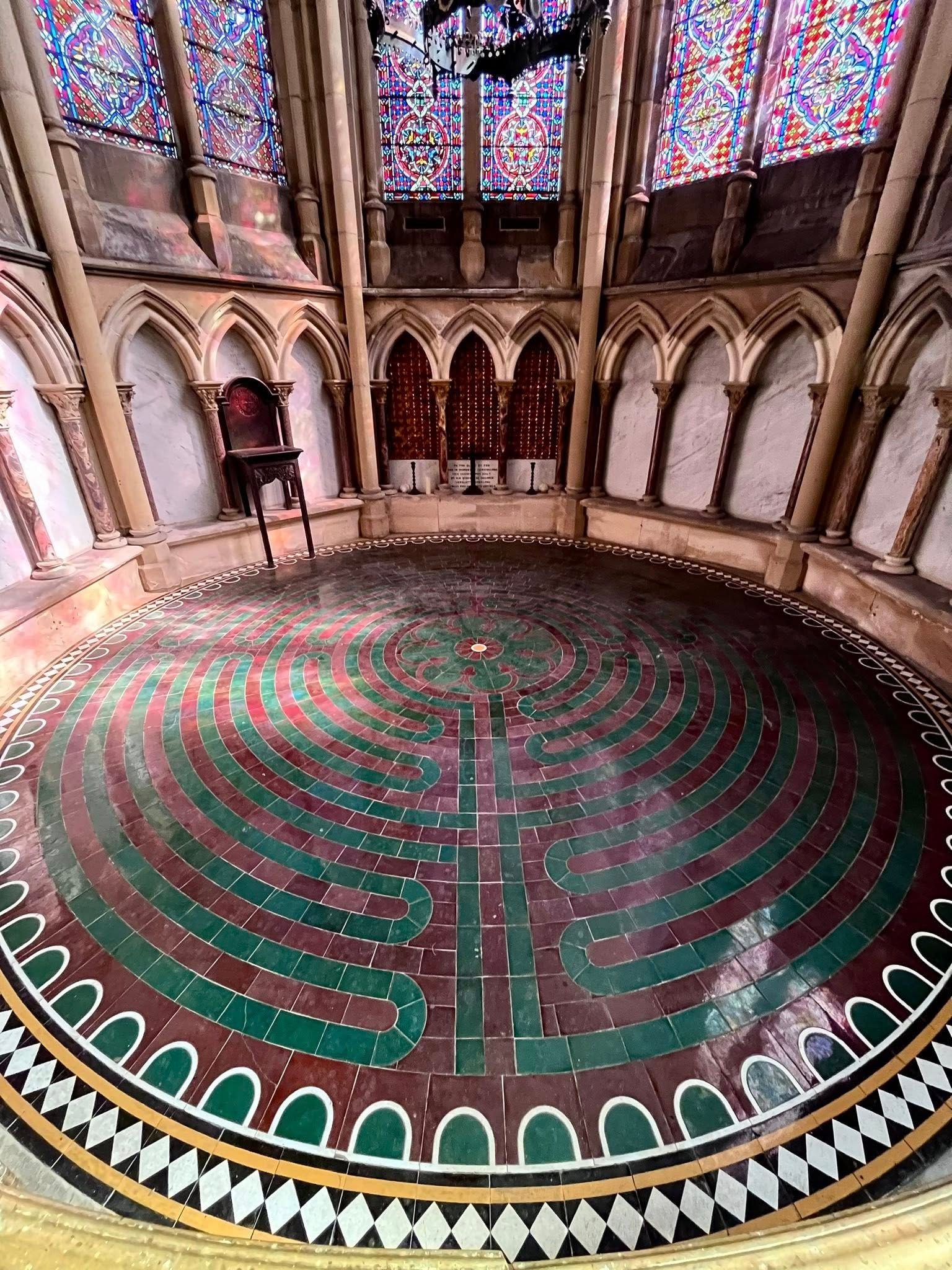
Last Friday was the Spring Equinox, and at the moment in the south of England, (where I live), the weather has been unseasonably warm and sunny. Spring to me marks a change in what I want to do in my leisure time - I want to feel the sun on my skin after what seems like a long period without, I want to smell spring flowers and above all, walk.
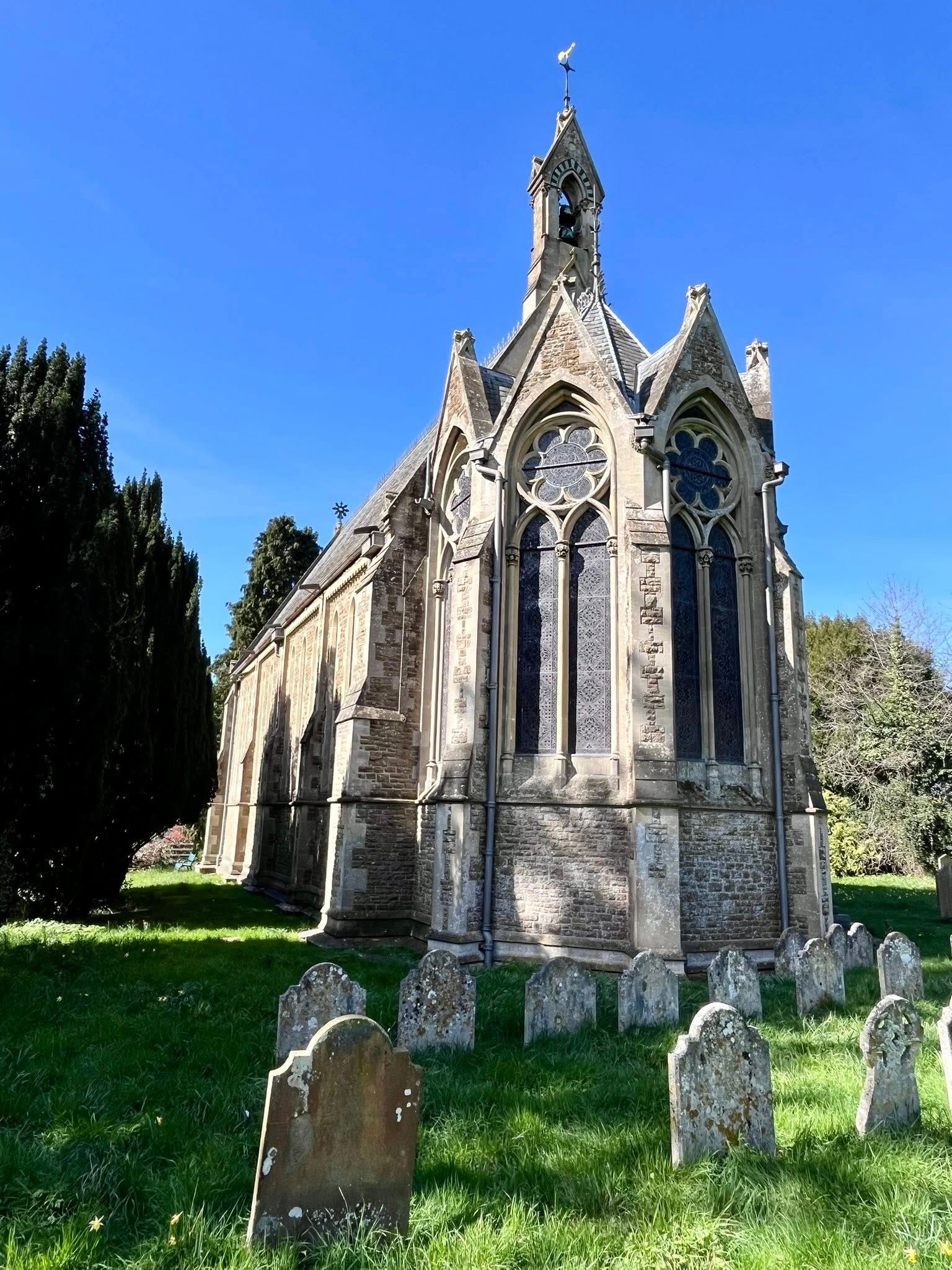
As many of you probably already know, one of my passions is pilgrimage - I mean I did write a whole book about it! Now is the time that I begin to explore pathways, and look for new ways to spend time outside in nature, exploring the glorious countryside, walking and finding that deep connection with the landscape. There is an innate need within me to do this, especially after long periods indoors.
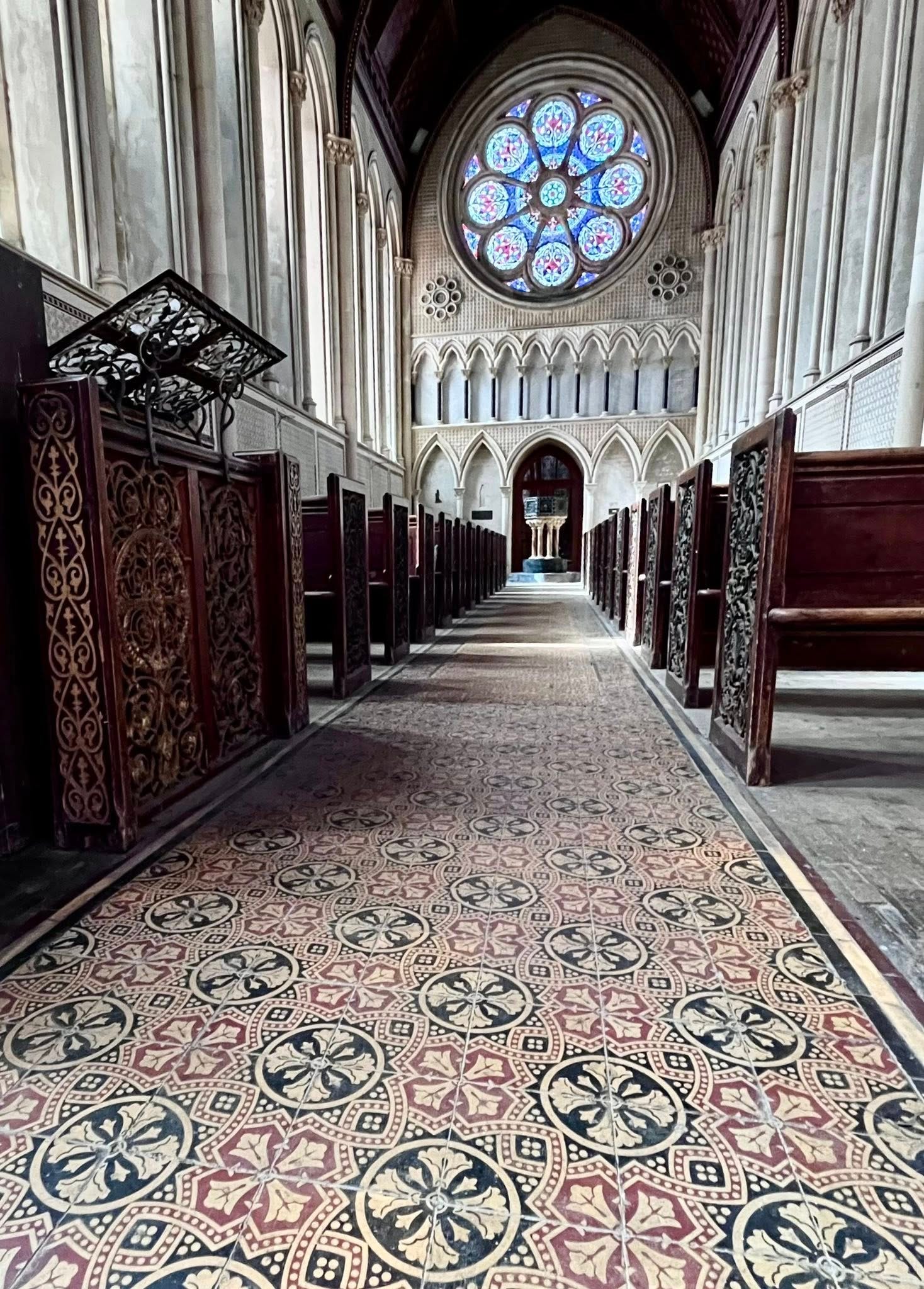
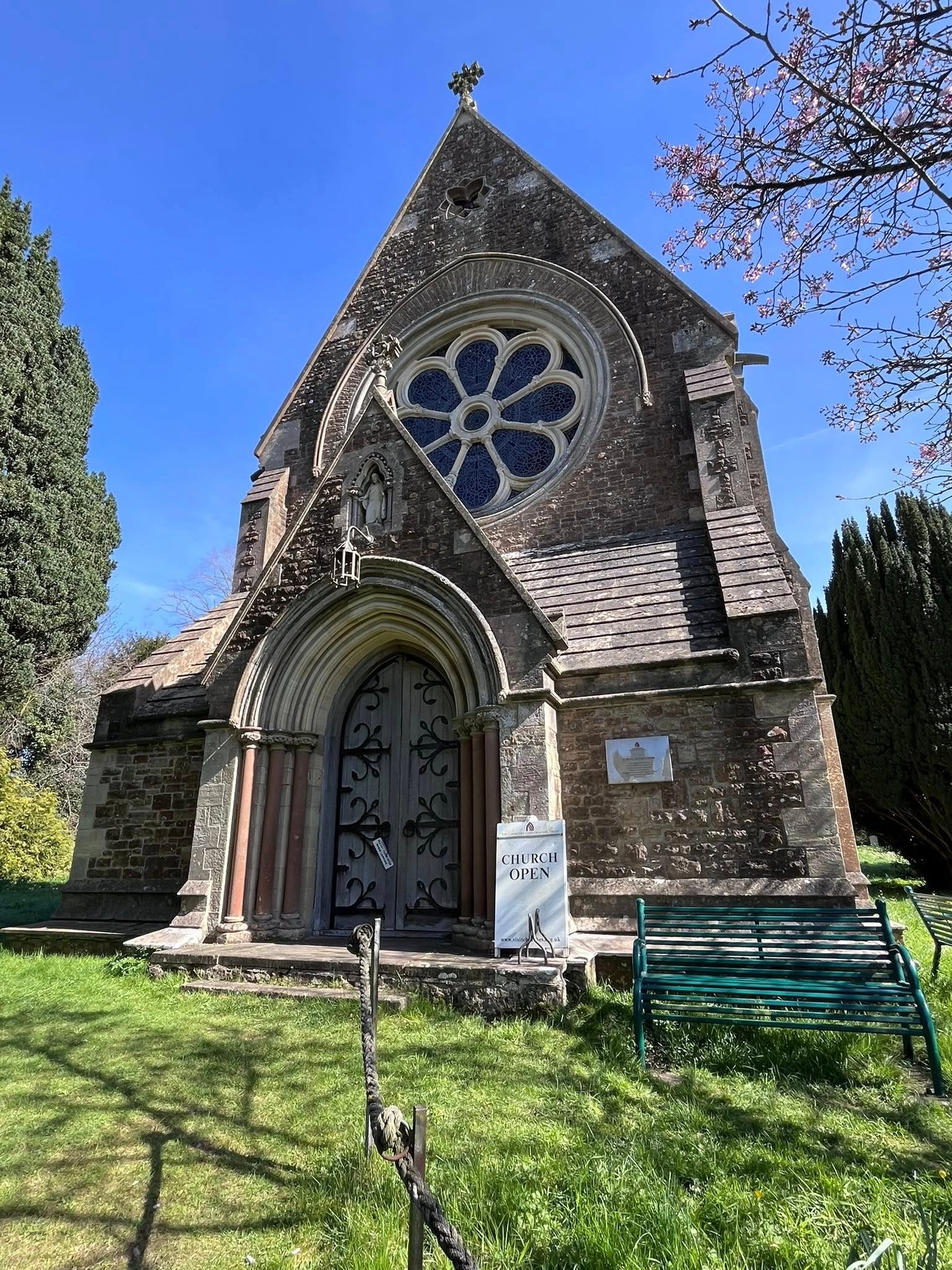
Whilst browsing recently on Instagram, where I follow a number of pilgrim advocates, like myself, I became aware of not only an unusual church, but one that had a previously unknown to me, labyrinth directly in front of its altar! As a bonus, St Mary’s in Itchen Stoke, near Alresford, in Hampshire is very close to the Winchester- Canterbury pilgrim way, making this a perfect way to spend a beautiful spring day in March.
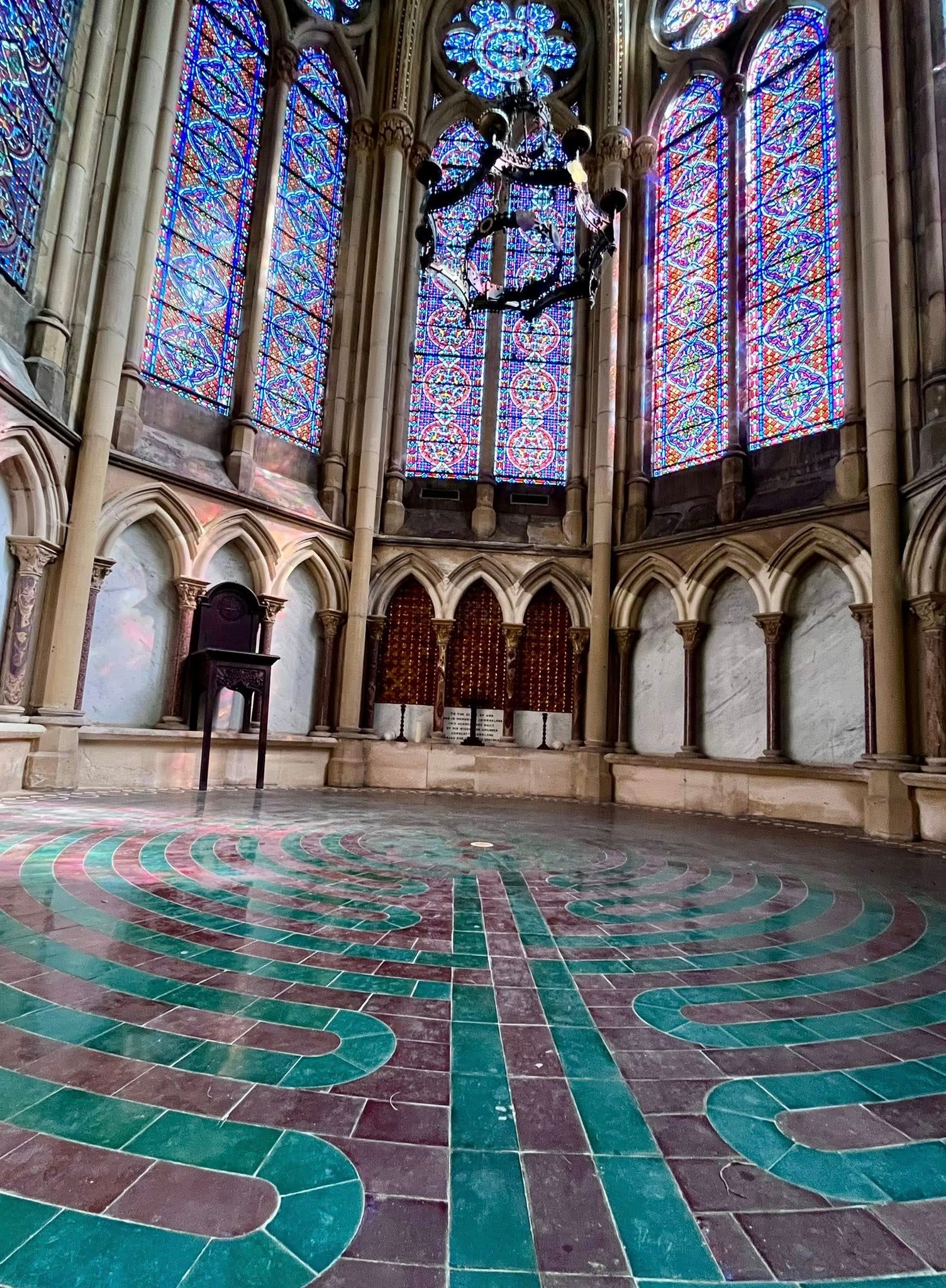
In my book, A Guide to Pilgrimage, there is a whole chapter about labyrinths and the benefits of walking this ancient form of meditation described as the poor man’s pilgrimage in the later medieval times:
“I expect you are wondering what this (Labyrinths) has to do with pilgrimage at all. Let me explain, firstly with a little history. During the Medieval period when pilgrimage was at the height of its popularity, not all people could go on a long-distance pilgrimage for many reasons, such as health, finances and being unable to leave their homes or loved ones. Churches and cathedrals began to etch large floor labyrinths or build turf labyrinth in their grounds. These were known as “The path to Jerusalem” or a symbol of pilgrimage. Many drawings and etchings from the eighteenth and nineteenth century, show parishioners in deep meditative states traversing these labyrinths, apparently in communion with the divine. Today, one of the most famous is Chartres Cathedral in France, situated in the nave and over 12m in size with over 260m of paths to follow..”
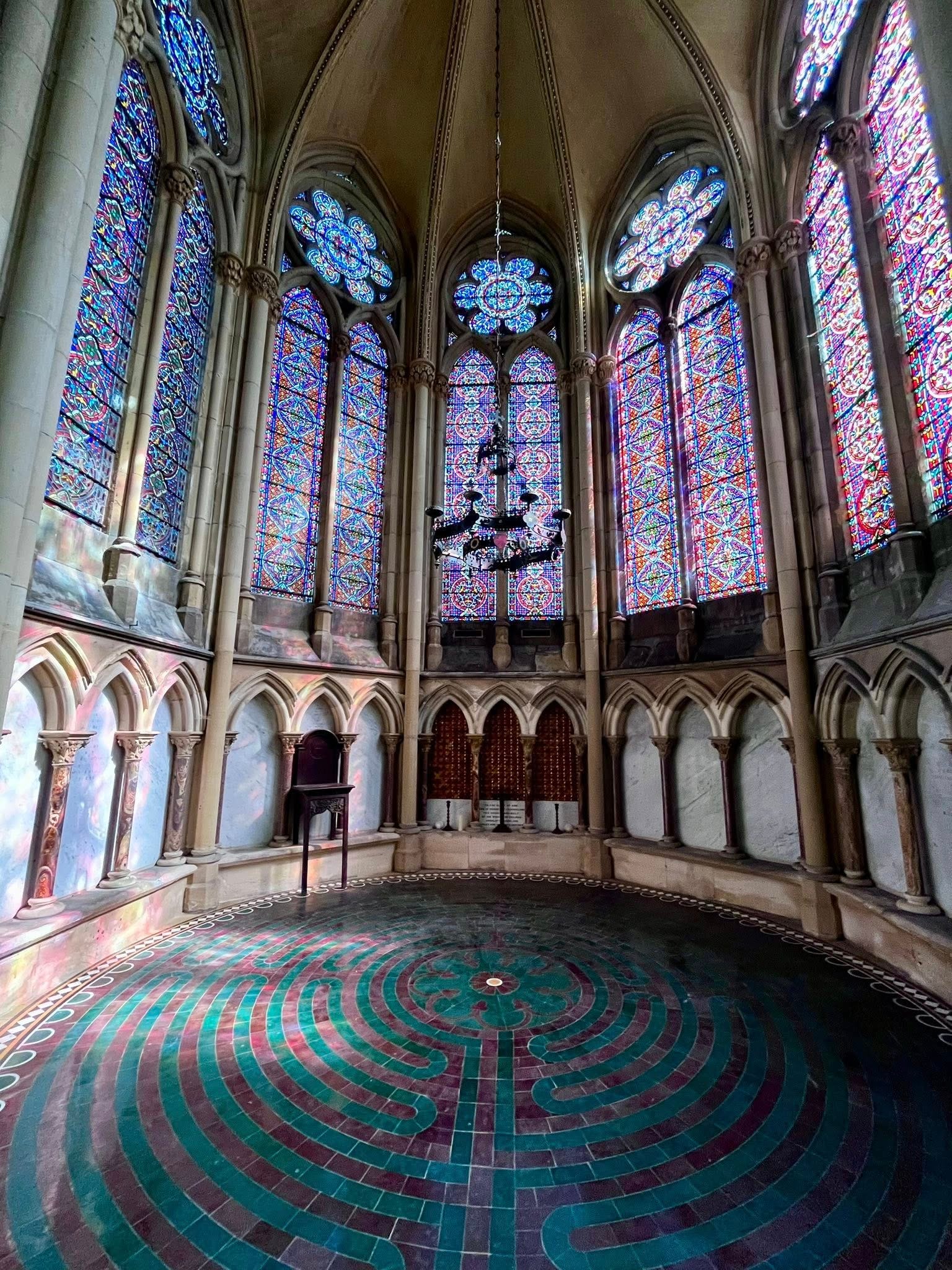
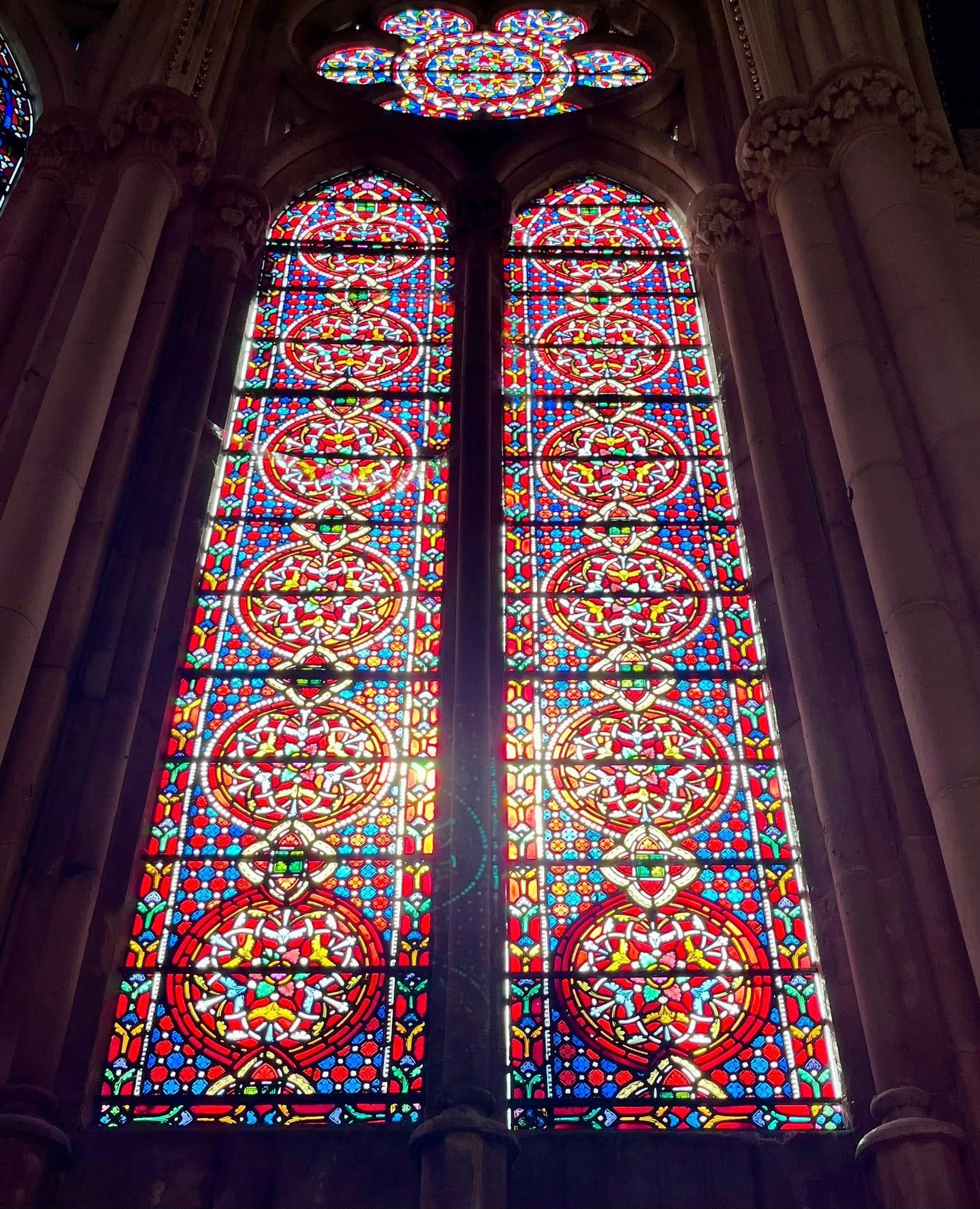
The labyrinth at St Mary’s is a direct copy of the Chartres one, although on a smaller scale. The church was built in 1866, so is fairly modern in church terms, and includes beautiful stained glass windows which surround you, bathing you in ethereal colours, as you take your steps in contemplation.
Unable to walk a labyrinth, but wanting to understand its deeper meanings? Here is a meditation from my book, A Guide to Pilgrimage to enable you to find understanding:
“Sit yourself (or lie) somewhere comfortable where you will not be disturbed and if it helps you to go into a deeper state, light a candle. Take deep breaths and follow your own method of deepening your state of meditation. When you are ready, picture the labyrinth in your mind, take a few moments or breaths to fully see the whole labyrinth form. Then, allow yourself to slowly begin walking or following its paths. This may take a couple of minutes but take your time and feel yourself becoming immersed in the flow of the lines. Imagine that this is your path in a spiritual pilgrimage and allow your mind to take you along. When you come to the centre, pause, take deep breaths, and focus on arriving at your pilgrimage destination. This is your centre, the place you have always been heading towards. Feel your emotions and the completeness of this stage of your spiritual pilgrimage. When you are ready, begin to follow the lines of the labyrinth and your path back towards the outside world. Contemplate what you will bring back with you into your life. As you reach 40 Labyrinths and Mazes the end, begin to hear the world around you, feel your body, and surroundings beneath and around you. Gently open your eyes and refocus on your candle…”
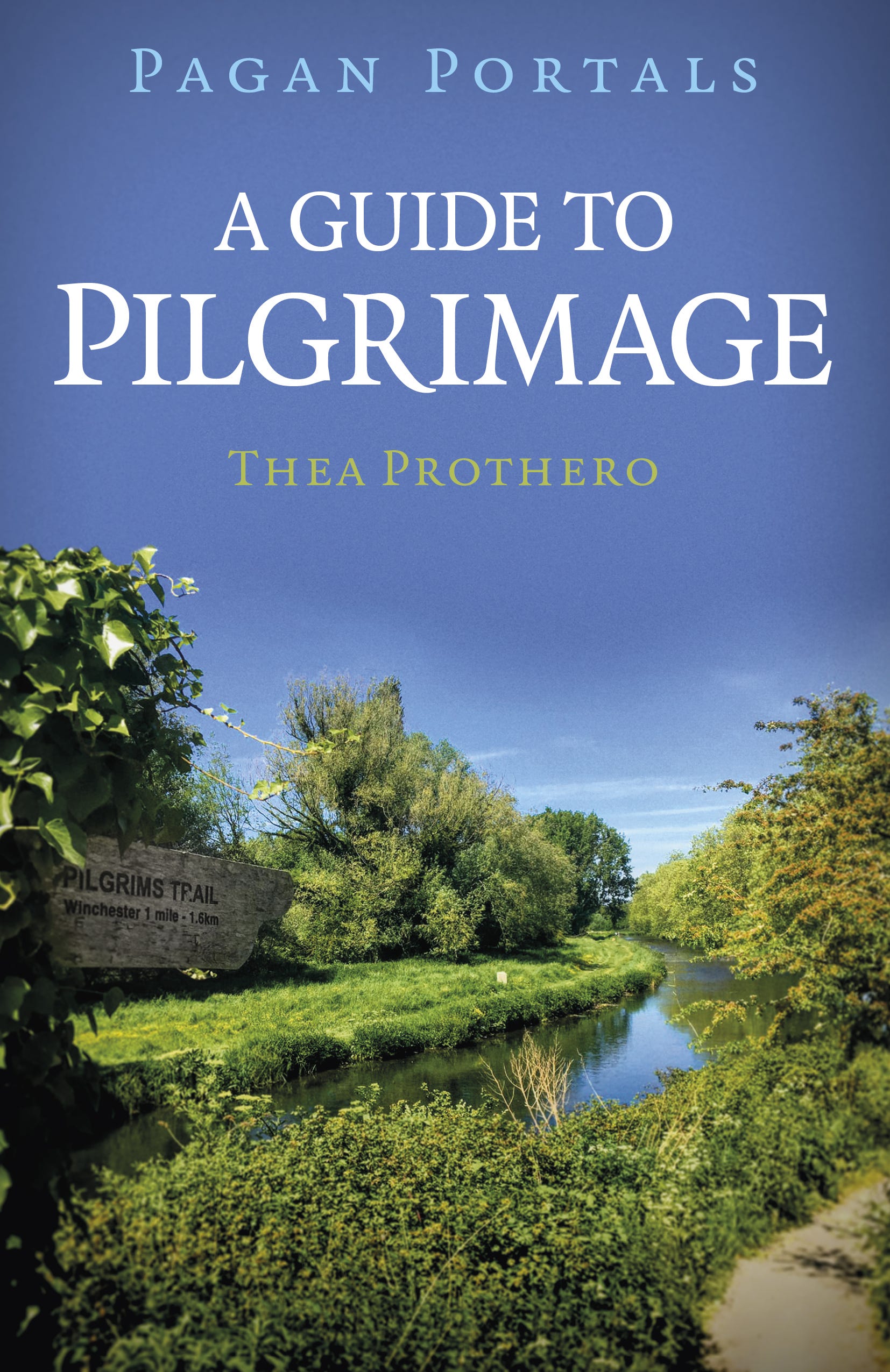
My book, A Guide to Pilgrimage is aimed at those who dont follow the traditional mainstream religions but for whatever reason, are interested in this ancient devotional practice, which is accessible to everyone. and is available to purchase from all good booksellers, online and in person.
All images and text are ©Thea Prothero. Please don’t use without permission.
I learnt a lot of new things about labrinths from this piece, Thea. The tiled floor in the church is so beautiful.
I also love the meditation as an alternative way to complete your pilgrimage. Fascinating.
I want that book!